26.11 SAFE USE OF MAGNETIC LIFTERS
In addition to any specific instructions relating to safe use of the magnetic lifter issued by the manufacturer, the following points should be observed:
Do not use to lift people.
Do not lift loads over people who are in the danger zone unless the magnetic lifter has the features needed to address this situation. These features can include a redundancy of critical supply cables and controls or a secondary mechanical means of securing the load. When establishing the danger zone, take account of the nature of the load. For example, sheet material can fly a considerable distance to the side. If necessary establish a ‘no go’ area.
Only use the magnetic lifter for applications for which it has been specified or is otherwise suitable.
Ensure that the load is of sufficient thickness to absorb the full magnetic flux of the magnet otherwise the lifting capacity will be reduced.
Do not magnetize the lifter before setting it on the load.
Do not attempt to hoist the load until you are satisfied that the magnetic lifter is capable of doing so. Methods of ensuring this will vary from one manufacturer to another and it is essential that the manufacturers’ instructions relevant to the particular type of magnetic lifter are consulted. The capability may be checked by inserting a piece of non magnetic material between the load and the magnet and performing a test lift by raising the load a small distance from the ground. This is called an artificial air gap test.
Ensure the load is balanced. An unbalanced load will tilt and may become detached by slipping.
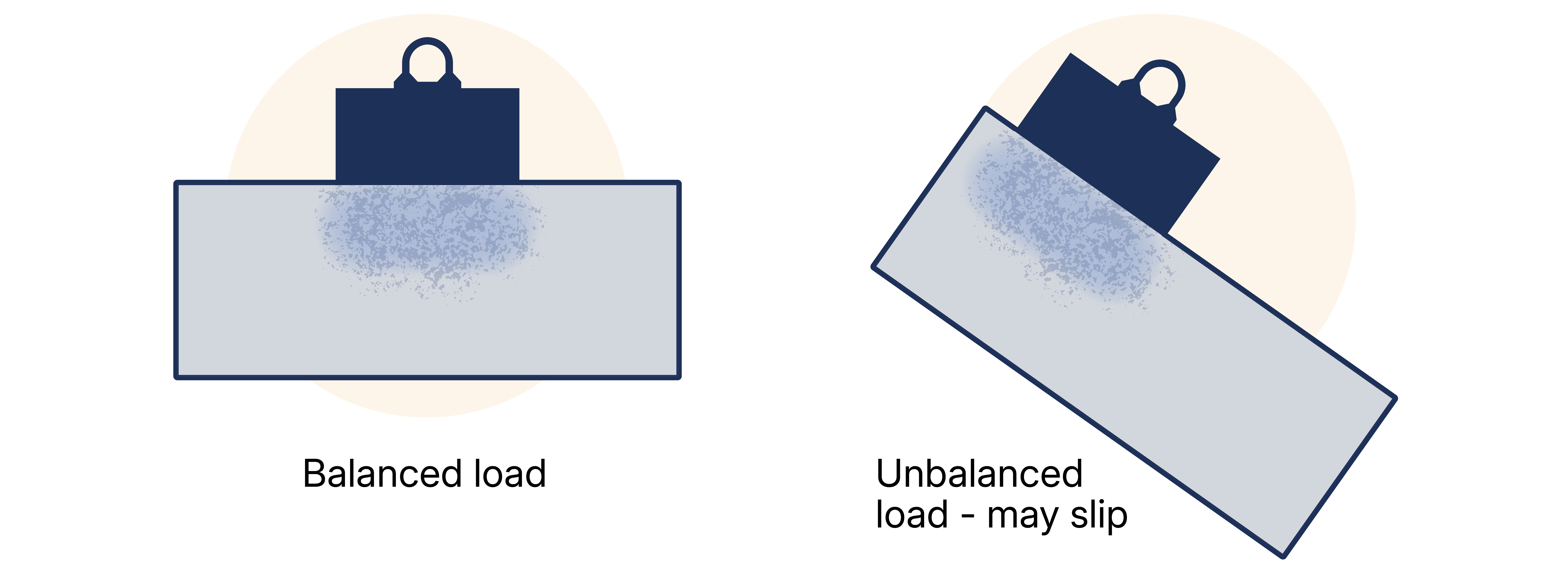
Figure 26.11-1 Balanced and unbalanced load
Be aware that flexible loads can peel off the magnet face. Do not attempt to lift a load if this is likely to happen.

Figure 26.11-2 Beware of flexible loads peeling off the magnet face
To overcome this problem, use two or more magnetic lifters in conjunction with a suitable lifting beam or spreader, ensuring that the share of the load taken by each magnetic lifter does not exceed its capacity.

Figure 26.11-3 Support flexible loads with two or more magnetic lifters in conjunction with a lifting beam
If the load is comprised of a stack of material, e.g. of steel plates, the magnetic lifter can only lift the material permeated by the magnetic field. For this type of application, magnetic lifters with variable power are required. This facilitates shedding of excess load by reducing the power then securing the remaining load by restoring full power. Without this facility, the lowest part of the stack lifted is likely to be very insecurely held and therefore present a high risk of becoming detached.

Figure 26.11-4 Magnetic lifters with variable power facilitates shedding of excess load
Porous objects will have a lower density than solid objects made from the same material. This will affect the lifting capacity of the magnet. By comparing the density of the solid material with the bulk density of the porous material the available percentage of the magnet’s power may be calculated, see example below.
Bulk density = mass/volume
Solid steel density = 7.8gm/cc and magnet capacity = 100%
Porous steel with e.g. bulk density = 5, therefore magnet capacity = 5/7.8 x 100 = 64%
Loads with internal voids should be treated in the same way i.e. the bulk density should be calculated and the above principles applied.
Ideally, the surface of the load to be lifted magnetically should be flat such that intimate contact with the sole plate of the magnetic lifter is made. An air gap may however be present due to an irregular shape, surface texture or surface coating. If so the capability of the magnet to lift the load should be checked by the artificial air gap test. If in doubt the advice of the manufacturer should be sought. Air gaps are tolerable within the limits laid down by the manufacturer.
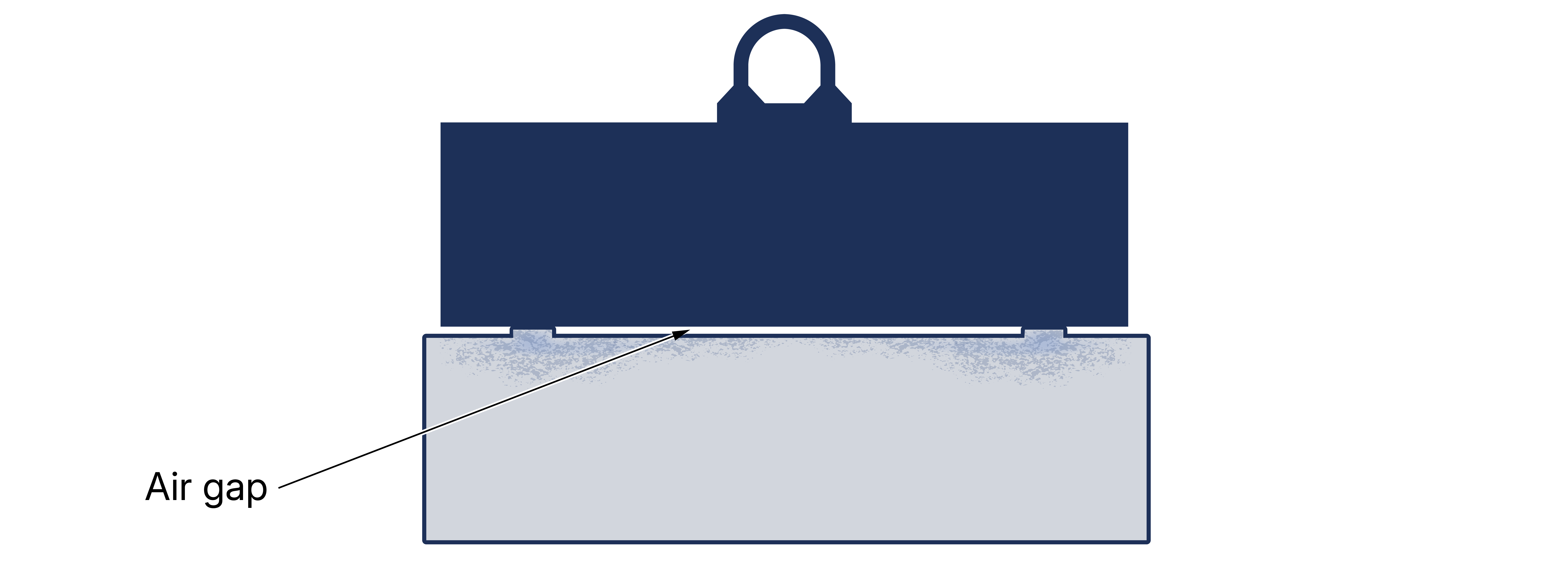
Figure 26.11-5 An air gap will reduce the lifting capacity of the magnetic lifter
It is possible to lift loads other than those having a flat surface. For example, round sections can be handled by a magnetic lifter with a suitably profiled sole plate. However, the lifting capacity will be less than it is for a load with a flat surface.

Figure 26.11-6 Handling round sections with a suitably profiled sole plate
Always use the entire lifting pole surface.
Ensure that, once hoisted, the load is transported gently to avoid swaying and is not subjected to shock loads.
Except in scrap handling applications, do not attempt to “demagnetize” the magnetic lifter until the load has been set down.
Beware of accidentally picking up other magnetic objects when the magnetic lifter is activated.
Remember to include the self weight of the magnetic lifter when calculating the total load on the lifting machine.