25.11 SAFE USE OF LIFTING FORKS
In addition to any specific instructions relating to safe use issued by the manufacturer, the following points should be observed:
Do not use to lift people.
Do not lift loads over people who are in the danger zone unless the lifting fork has the features needed to address this situation. These features usually include a secondary positive holding device. If the lifting fork does not have such features, it will be necessary to exclude persons from the danger zone.
Ensure that the fork arms of the lifting fork are correctly adjusted for width.
Use the grab handles to control the lifting fork and ensure that it is presented to the load so that the fork arms pass right through the pallet at the appropriate positions.
The condition of the load is of paramount importance. The load itself must be capable of being lifted safely and of withstanding the forces imposed upon it. Loads comprised of loosely stacked materials should not be lifted. Such loads require additional security such as strapping or netting to keep them in place.
For lifting forks fitted with manual adjustment, position the lifting eye so that the load will hang correctly when lifted.
Make a trial lift to ensure that the load hangs correctly. When lifted, the fork arms should be tilted backwards by an angle equal to or slightly greater than 5º to prevent the load from sliding off the fork arms.
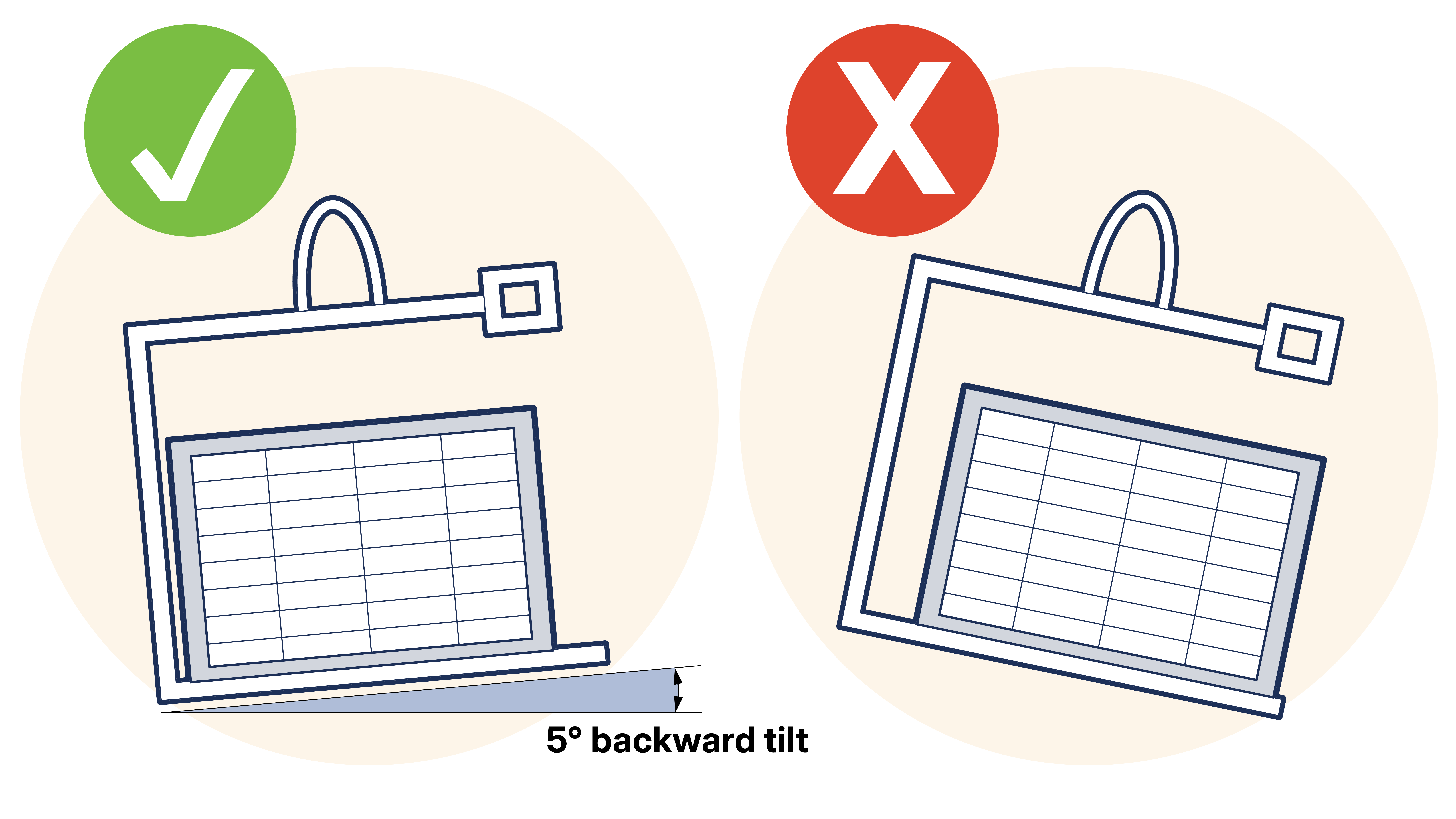
Figure 25.11-1 Checking that the load hangs correctly
Adjust as necessary before proceeding. For lifting forks with a fixed suspension, this will require repositioning of the lifting fork within the load.
Be aware that a lifting fork with an automatic mechanism to adjust the position of the lifting eye may not work at very low loads. Check the manufacturer’s instructions for any minimum load information.
Be aware of the danger of unbalanced loads causing the lifting fork to tilt sideways. The C of G of the load should be located centrally between the fork arms.
Do not use for operations other than those specified.
Do not attempt to hoist the load until you are satisfied that the lifting fork is capable of doing so. Methods of ensuring this will vary from one manufacturer to another and it is essential that the manufacturers’ instructions relevant to the particular type of lifting fork are consulted. Do not subject the lifting forks to shock loads particularly once the load has been raised.
Be aware of the pendulum effect of a load attached to a crane hook.
Remember to include the self weight of the lifting fork when calculating the total load on the lifting machine.
When the load comprises a stack or bundle, e.g. blocks or sheets, care must be taken to ensure that the stack or bundle is held together during the lifting operation. This may necessitate the use of strap banding or netting. Alternatively the lifting fork may have a built in securing mechanism or clamp.