27.4.2 Powered Vacuum Lifters
Powered vacuum lifters use a pump to generate the vacuum and are normally electrically operated either by mains or battery. The pump may be housed within the vacuum lifter itself or may be separate, with the vacuum transmitted to the vacuum lifter by means of a hose. They may be equipped with single or multiple lifting pads dependent upon the application.
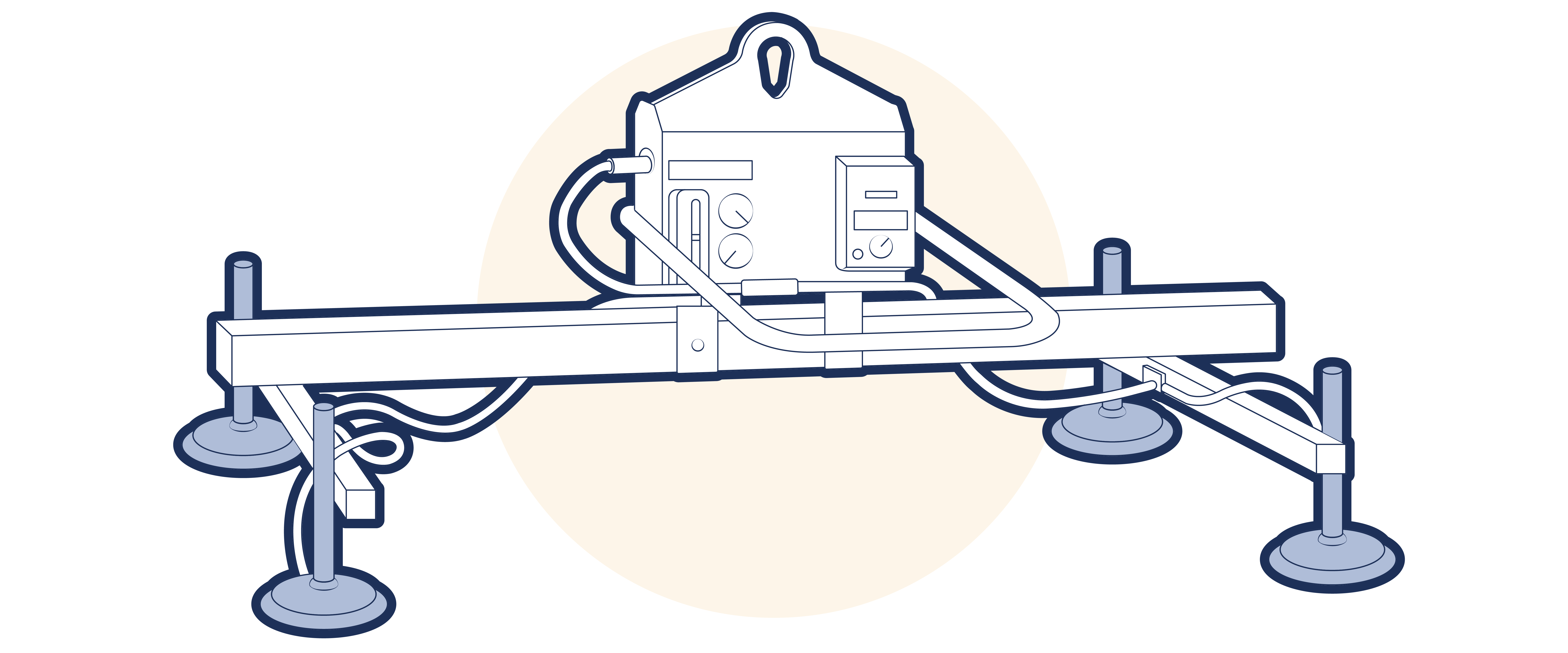
Figure 27.4.2-1 Vacuum lifter with multiple lifting pads
There are three basic types of pump. The piston type has the advantage of generating a high level of vacuum, essential for applications where the size of the vacuum pads must be kept to a minimum. The venturi type has the advantage of simplicity and the facility to be powered by a remote source of compressed air which is useful in applications where the presence of electricity is a hazard. The turbine type produces a relatively low level of vacuum but can pump a high volume of air. The turbine is usually integral with a single large area vacuum pad and the combination of low vacuum and high air volume is an advantage when lifting porous loads and those where the adhesive force must be spread over a large area.
The non self priming or powered type of vacuum lifter must be fitted with an optical or audible warning device to automatically warn that the danger range is reached when vacuum losses cannot be compensated for. The warning device must work even if there is a power failure.
They must also be equipped to prevent the risks arising from vacuum losses. Where a vacuum pump is used, a vacuum reservoir with a non-return valve fitted between the reservoir and the pump must be provided. Where a venturi is used, a pressure reserve tank or a vacuum reservoir with a non-return valve between the system and the tank or reservoir must be provided. For a turbine system, a supporting battery or an additional flywheel mass must be provided.
In the case of a power failure, the vacuum lifter must be able to hold the load for 5 minutes. This is not necessary in ‘no go’ areas where persons are excluded from the danger zone. It is also not necessary for turbine types provided that the operator controls the load through steering handles which ensure that the operator is outside the danger zone, the height of lift is restricted to a maximum of 1.8m and a warning sounds as soon as the power fails.
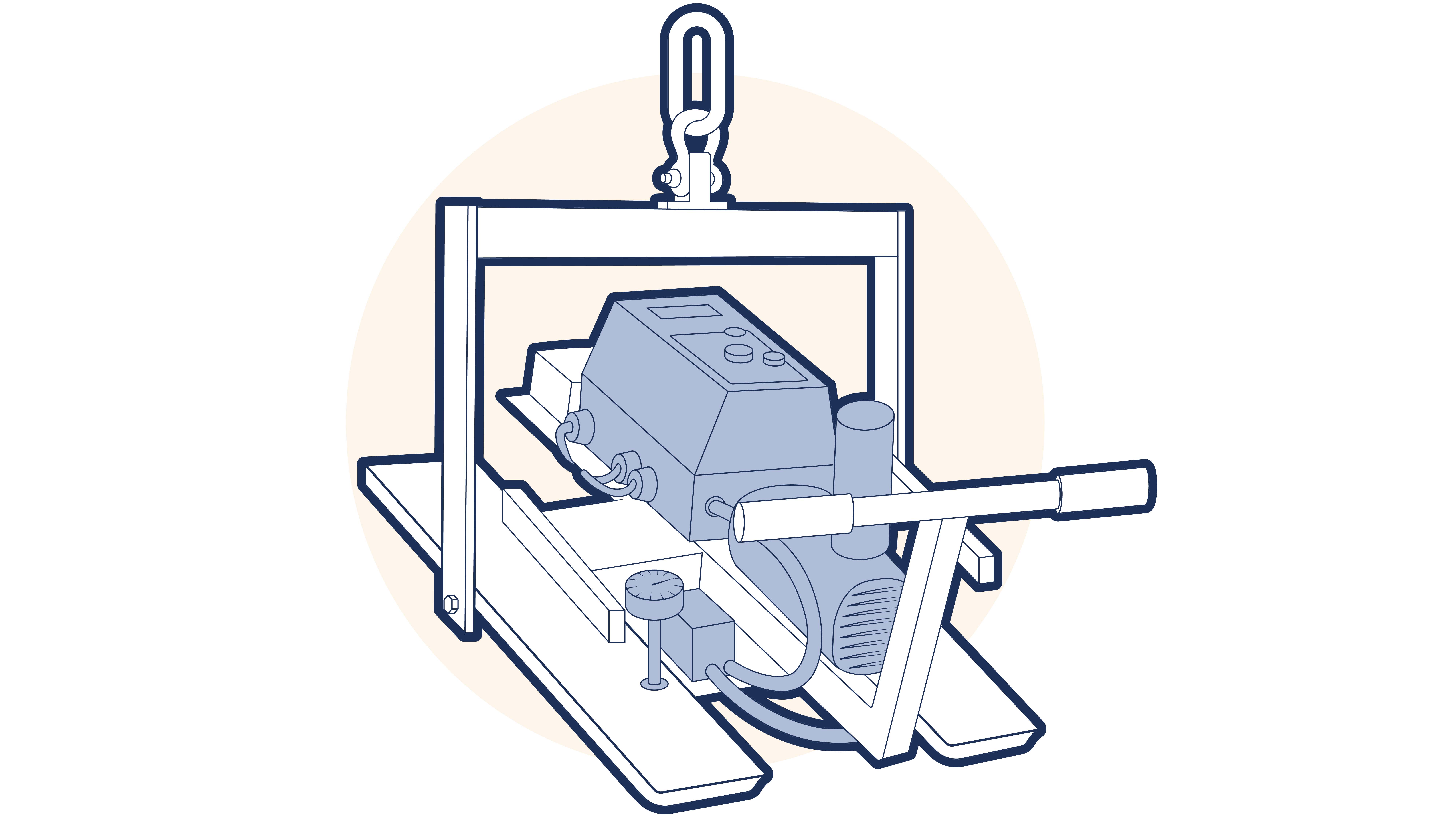
Figure 27.4.2-2 Multi head vacuum lifter with integral vacuum pump
For powered vacuum lifters used to lift loads over areas where persons are present, e.g. on a construction site, a secondary positive holding device which can be deployed to secure the load is required or there must be a duplication of the vacuum systems including the vacuum reservoirs and vacuum pads.
The release of the load must be actuated by a two action control unless the vacuum lifter is being used in a ‘no go area’ or release is not possible until the load has been set down.