27.4.1 Self Priming or Self Actuating Type Vacuum Lifters
This type of vacuum lifter has a integrated piston and cylinder which creates the vacuum. The vacuum lifter is initially held in contact with the load by its own weight which acts on the flexible seal around the vacuum pad. On hoisting, the piston is pulled up creating a partial vacuum in the cylinder and vacuum pad. The piston moves within the cylinder until the force generated by the vacuum within the cylinder equals the weight of the load. The vacuum generated is therefore proportional to the weight of the load.
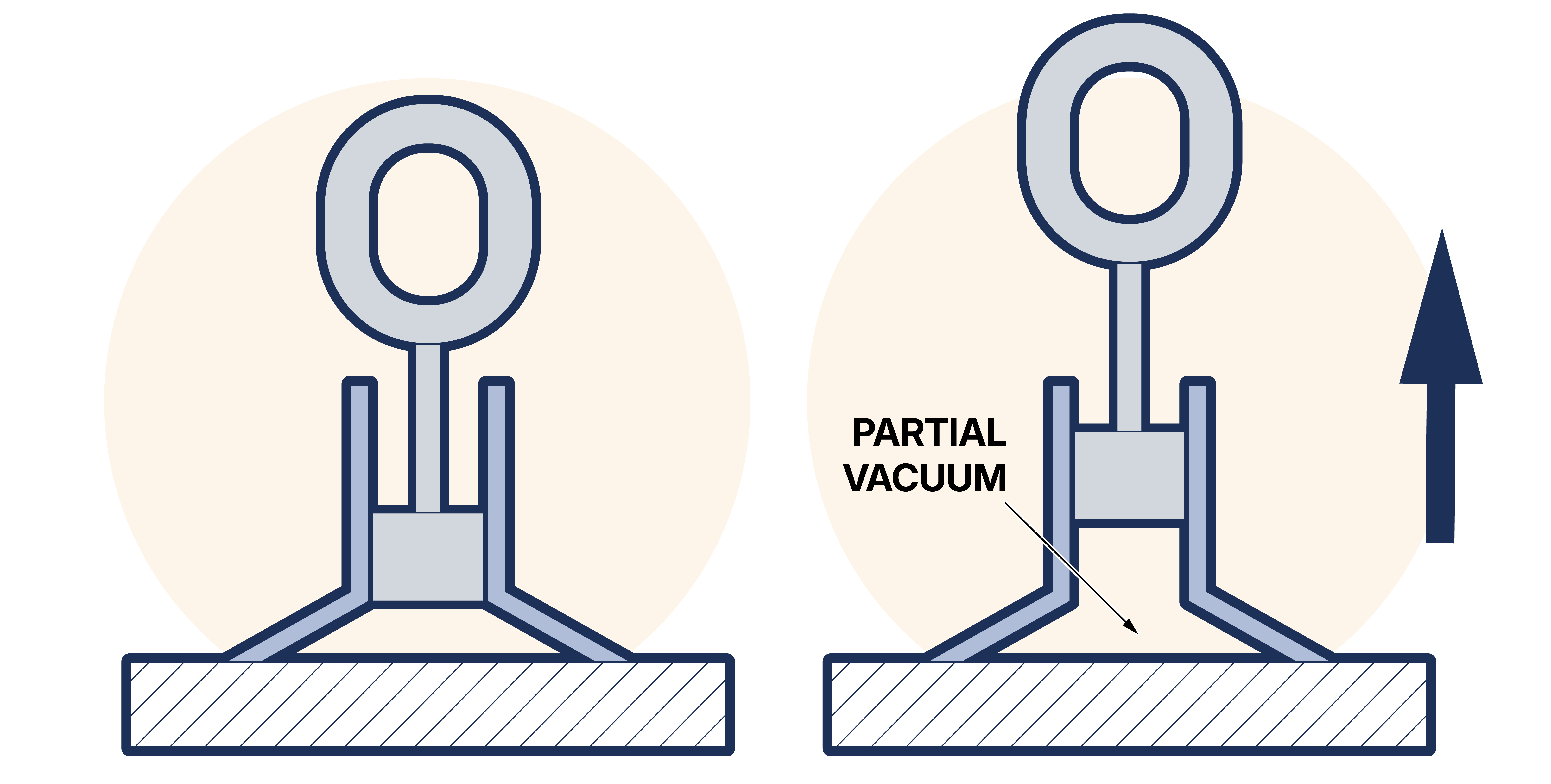
Figure 27.4.1-1 Principle of operation of a self priming vacuum lifter
The area of the vacuum pad is greater than that of the cylinder thereby increasing in proportion the adhesive force arising from the vacuum.
The basic range of self priming vacuum lifters have only one vacuum pad although models are available with multiple vacuum pads attached to a lifting beam with a central cylinder and piston assembly connected to all the vacuum pads.
The self priming or actuating type vacuum lifters must be equipped with an indicator to show the operator that the end of the working range has been reached. This indicator must be visible to the slinger, or if there is no slinger, to the driver of the crane. To prevent risks due to vacuum losses a reserve stroke capacity of at least 5% of the total stroke of the piston must be provided.