15.5.2 Method of Use
There are numerous methods of slinging, many of which affect the load carrying capacity of the sling. The most commonly used methods for effectively balanced loads are illustrated in this subsection. Where it is proposed to use wire rope slings in some other way the operative should consult a Competent Person.
The factors to be considered fall into three main groups:
Those dealing with the way the sling is attached to the load.
Those dealing with the geometry of the sling, i.e. the angles between the various legs of the sling and also between the legs and the vertical.
Those dealing with the number of legs in use.
The amount of load that will be carried by an individual leg will depend on the angle between each of the legs and the vertical, the distribution of the legs in plan view and the total load being lifted.
The following examples are based on slings which have been rated and marked to the uniform load method. The SWL marked on uniform load rated multi-leg wire rope slings is for the legs to be inclined to the vertical over a range of angles between 0-45° (0-90° included angle) or additionally 45°-60° (90°- 120° included angle) and assumes that the legs are equally disposed about the vertical. If a tilt occurs due to the centre of gravity being misjudged, or if unequal angles to the vertical are formed, then the leg with the smaller angle to the vertical will have a larger share of the load imposed upon it.
15.5.2.1 Single leg sling in straight lift or in choke hitch
When the sling is used for a straight lift, the maximum load to be lifted must not exceed the SWL marked on the sling. When using a wire rope sling in choke hitch, the maximum load lifted should not be more than 0.8 x the marked SWL. (See Figure 15.5.2.1-1 ). The practice of reducing the SWL of wire rope slings when used in choke hitch is a modern requirement. Previously no reduction was made and the resulting factor of safety in choke hitch was approximately 4:1. Newer standards require a minimum of 5:1, hence the need for a reduction. For the benefit of the user, the same factor as is used for chain and textile slings has been adopted.
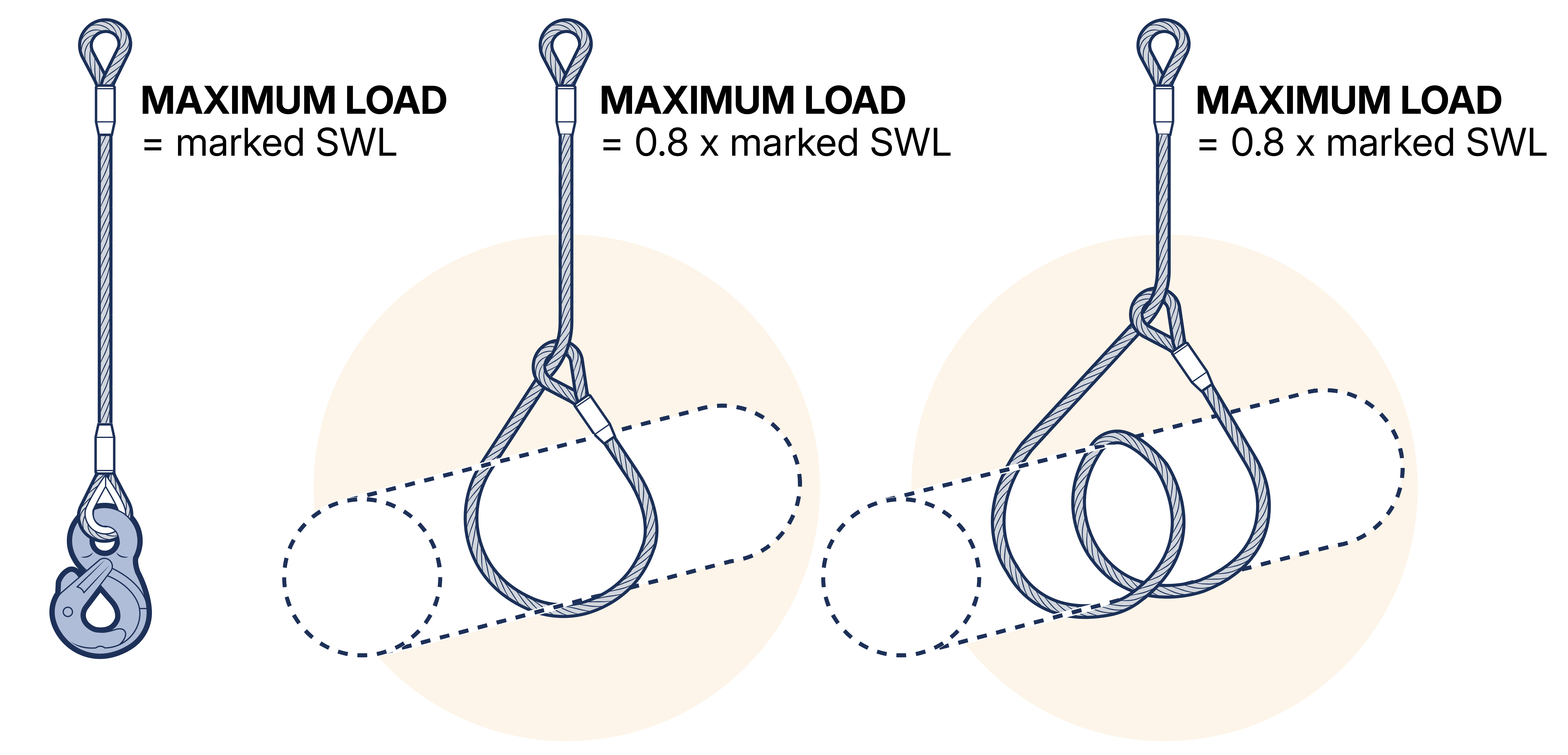
Figure 15.5.2.1-1 A. Single leg sling in straight lift. B. Single leg sling in choke hitch. C. Single leg sling in double wrapped choke hitch.
15.5.2.2 Single leg sling in double and choke hitch
When the sling is used in double and choke hitch (halshed), the maximum load to be lifted must not exceed 1.6 x the SWL marked on the sling. (See Figure 15.5.2.2-1 )
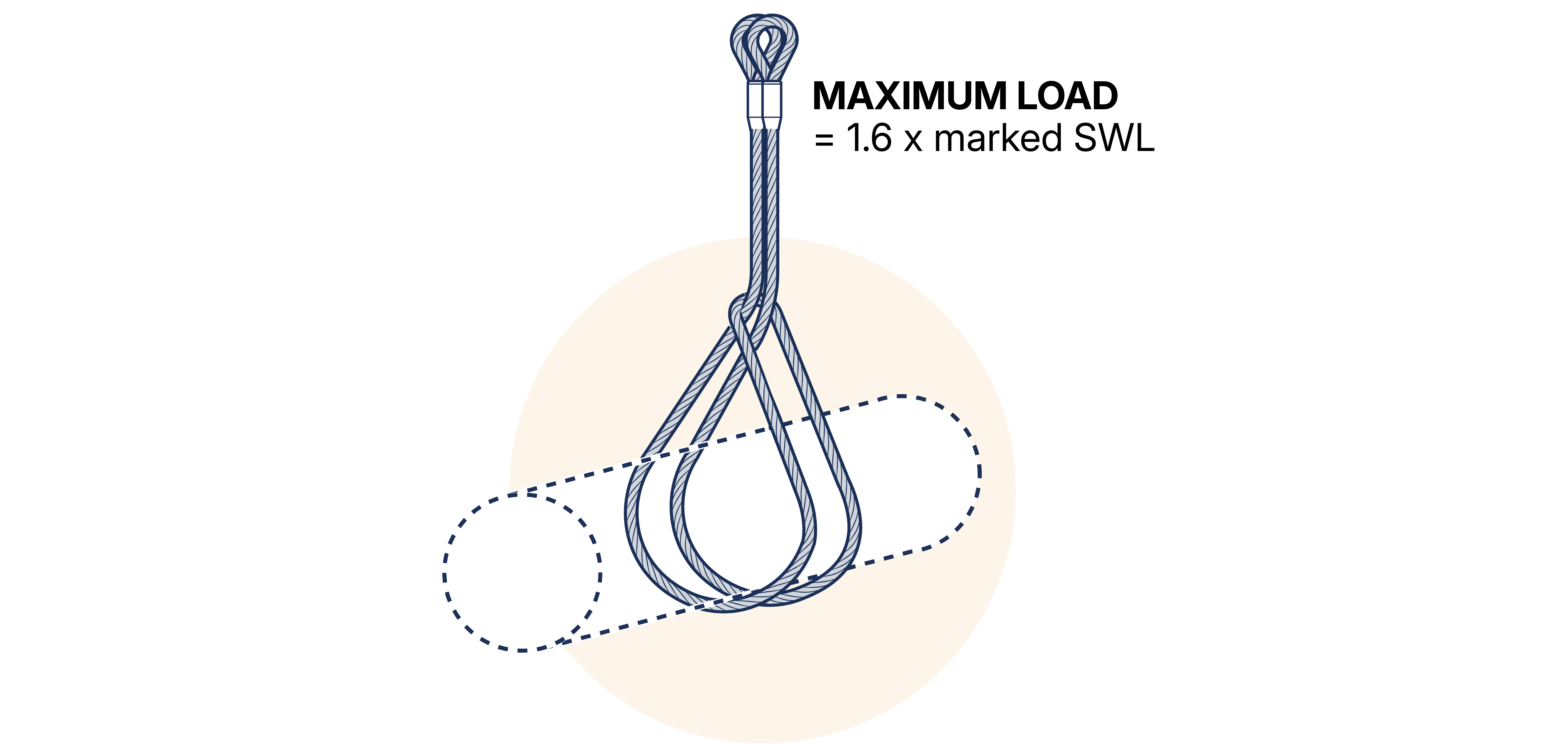
Figure 15.5.2.2-1 Single leg sling in double and choke hitch
15.5.2.3 Single leg sling in basket hitch
When a single leg sling is used in basket hitch by hooking back to the master link, with the parts of rope inclined at angles between 0-45° to the vertical (0-90° between the parts of rope), the maximum load to be lifted must not exceed the SWL marked on the sling as in this arrangement the full load is taken by the master link. (See Figure 15.5.2.3-1 a)
When a single leg sling is used in basket hitch with both ends onto the hook, or connected by a suitable shackle, and with the parts of rope disposed at angles between 0-45° to the vertical (disposed at an included angle of 0-90°), the maximum load to be lifted must not exceed 1.4 x the SWL marked on the sling. (See Figure 15.5.2.3-1 b)
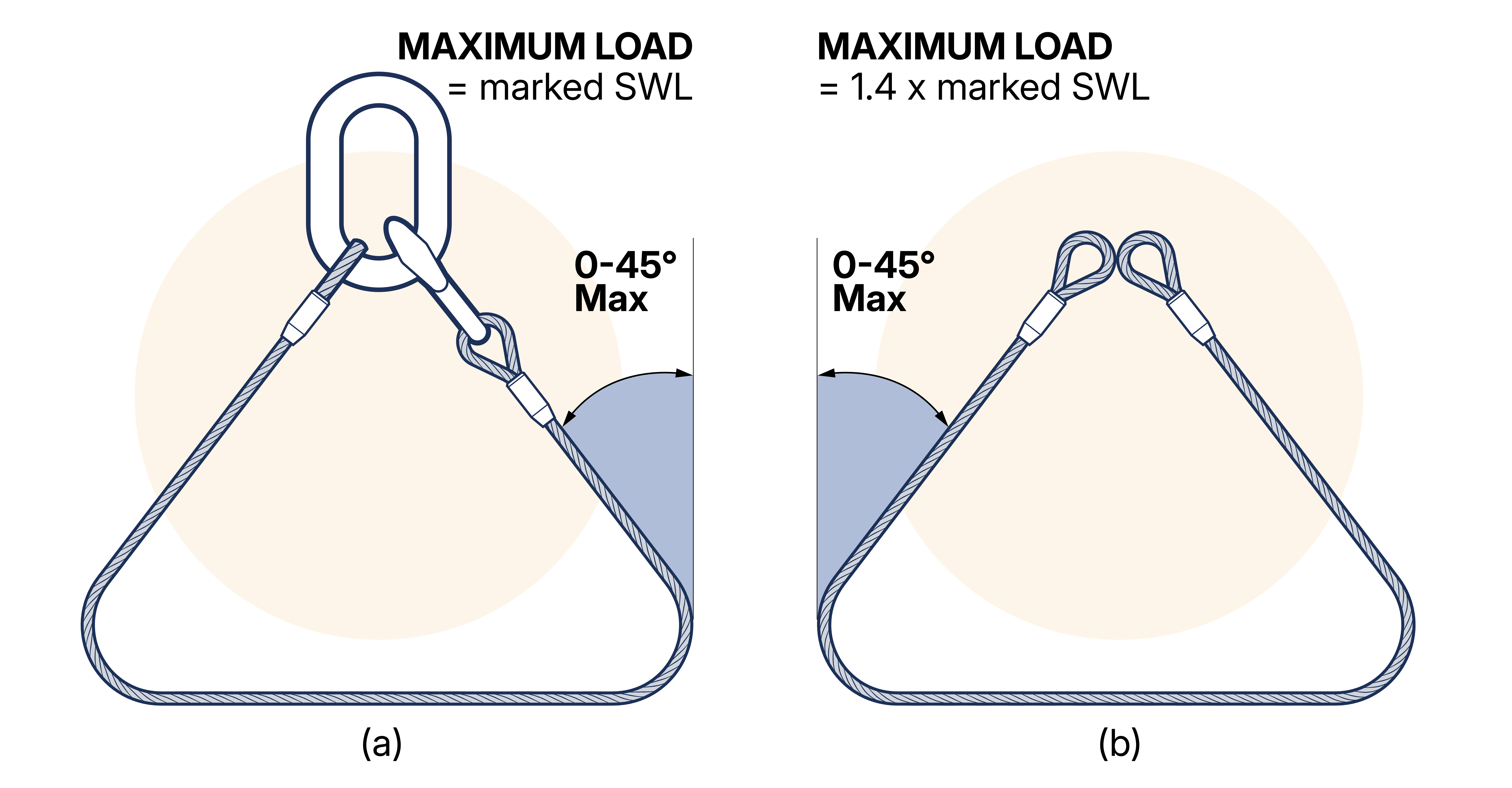
Figure 15.5.2.3-1 Single leg sling in basket hitch
15.5.2.4 Two leg sling in straight lift
When the sling is used for a straight lift, the maximum load to be lifted must not exceed the SWL marked on the sling for the appropriate range of angles. (See Figure 15.5.2.4-1 )
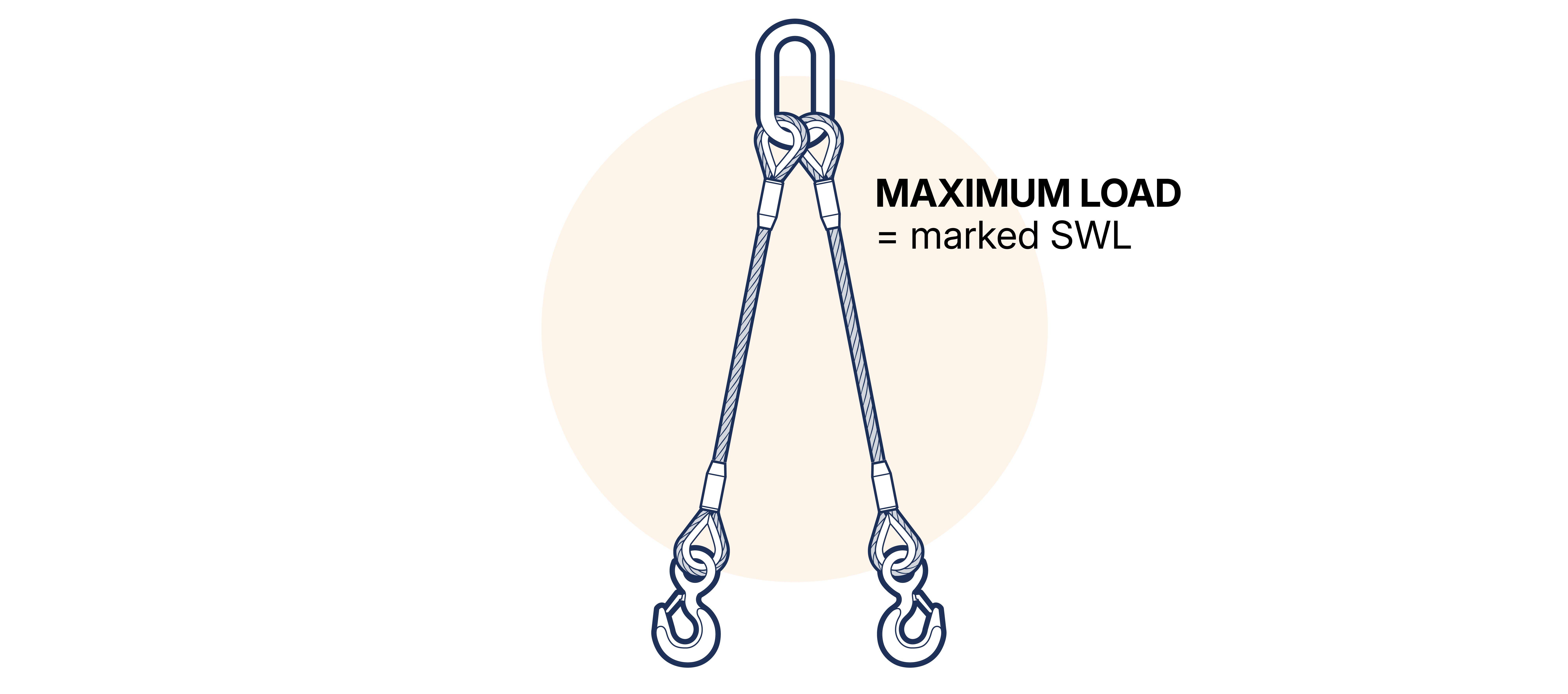
Figure 15.5.2.4-1 Two leg sling in straight lift
When two single leg slings, of the same length and SWL, are used for a straight lift, the maximum load to be lifted must not exceed 1.4 x the SWL marked on a single sling when the legs are inclined at angles between 0-45° to the vertical (included angle between the legs is in the range 0-90°). The use of two single slings at angles to the vertical greater than 45° (included angle greater than 90°) is not recommended. (See Figure 15.5.2.4-2 )
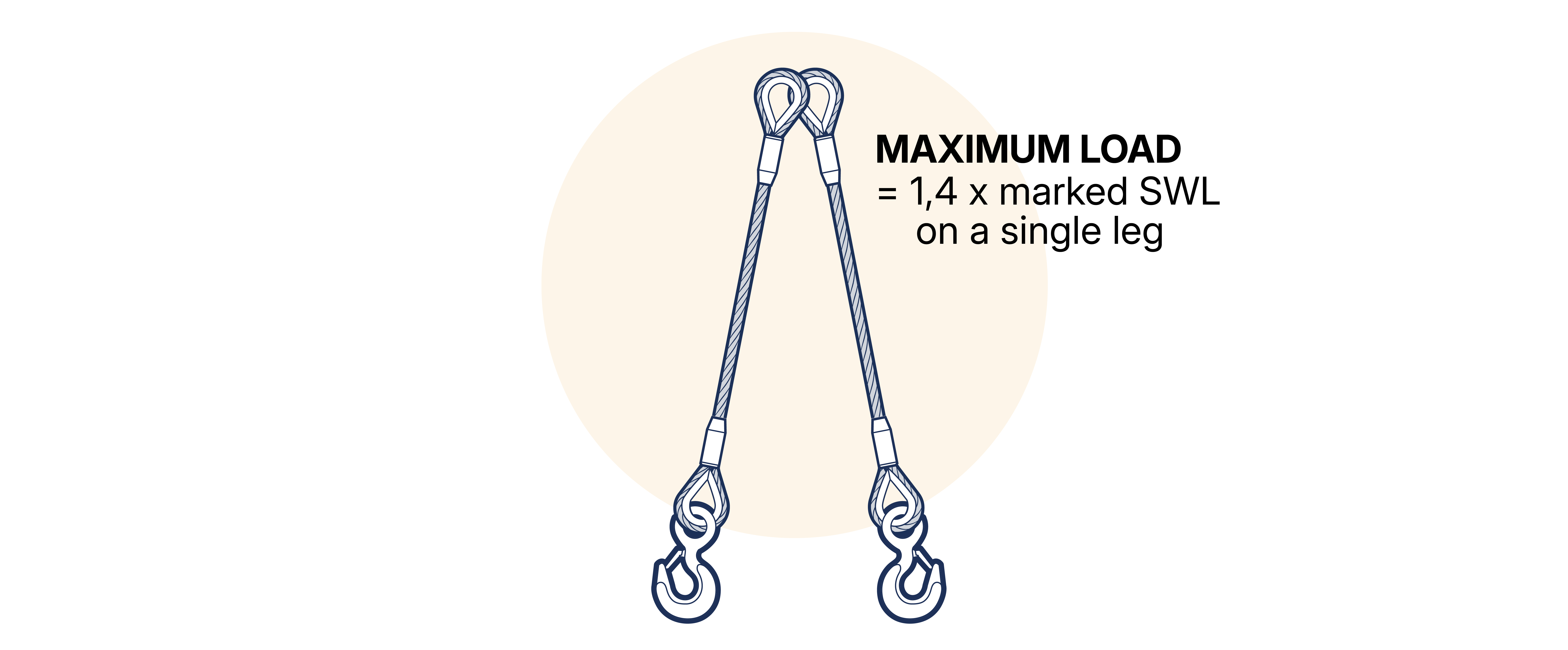
Figure 15.5.2.4-2 Two single legs in straight lift
To prevent the hook of the lifting appliance becoming overcrowded, LEEA recommends that the upper ends of the sling legs are connected by means of a shackle or link of adequate strength.
15.5.2.5 Two leg sling in choke hitch
When a two leg sling is used in choke, the maximum load to be lifted must not exceed 0.8 x SWL marked on the sling for the range of angles shown. The angle must not exceed the maximum angle shown. (See Figure 15.5.2.5-1 )
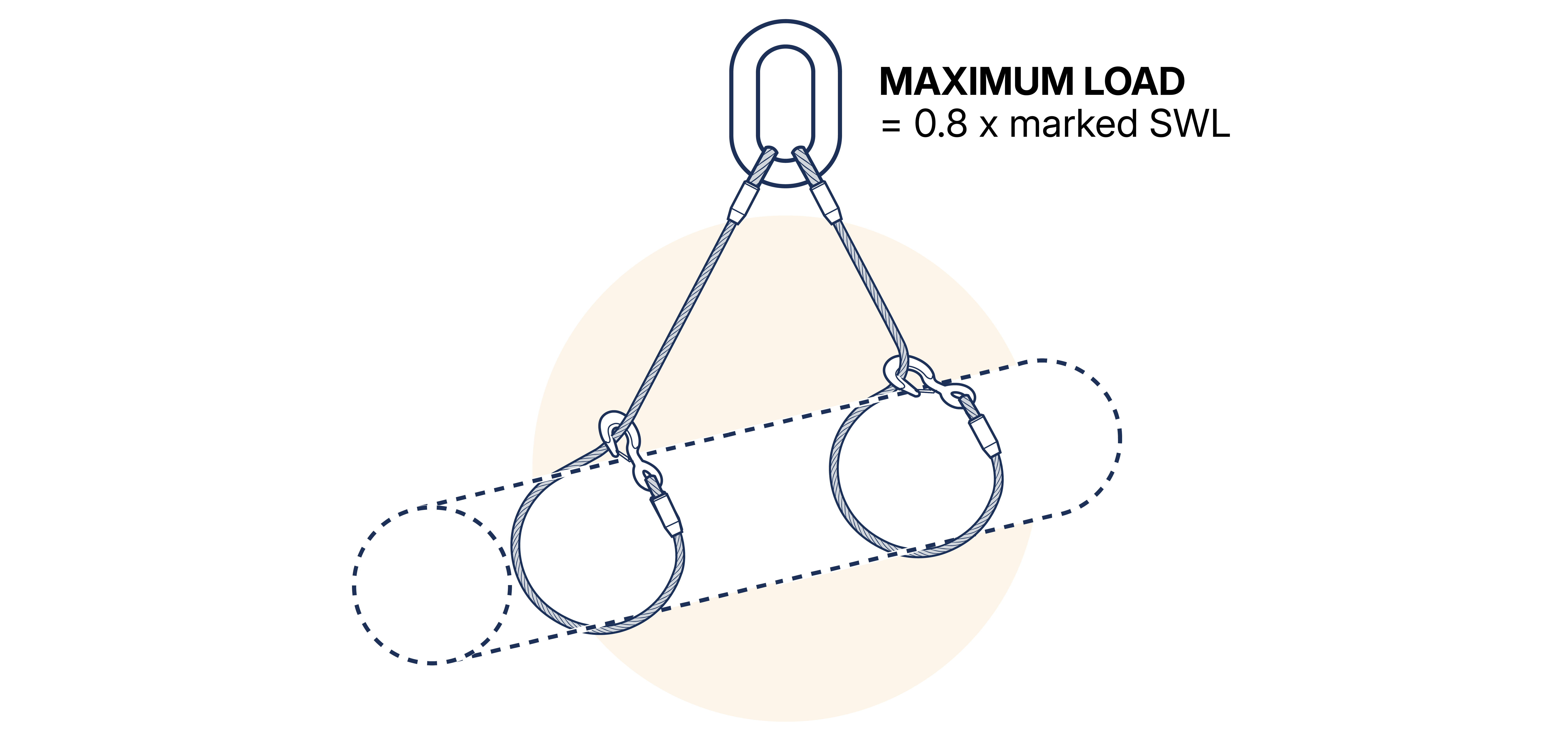
Figure 15.5.2.5-1 Two leg sling in choke hitch
When two single leg slings, of the same size and SWL, are used in choke hitch, the maximum load to be lifted must not exceed 0.8 x 1.4 x the SWL marked on a single sling when the legs are inclined at angles between 0-45° to the vertical (0-90° included angle). The use of two single slings at angles to the vertical of greater than 45° (included angle greater than 90°) is not recommended. (See Figure 15.5.2.5-2 )
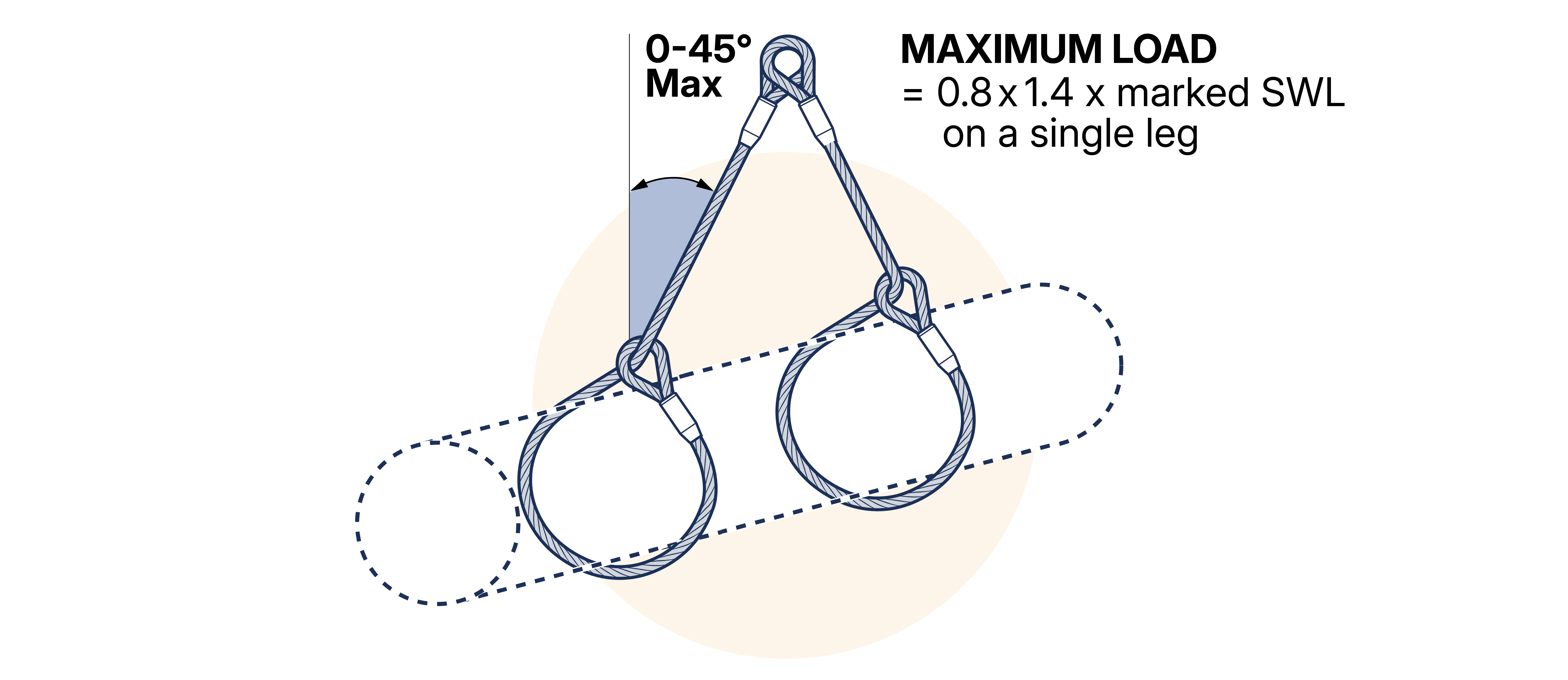
Figure 15.5.2.5-2 Two single legs in choke hitch
15.5.2.6 Two leg sling in basket hitch
When a two leg sling is used in basket hitch, the maximum load to be lifted must not exceed the SWL marked on the sling for the appropriate range of angles. In this case, the angle between the vertical or included angle formed between any two parts of rope must not be in excess of that permitted by the appropriate range. (See Figure 15.5.2.6-1 )
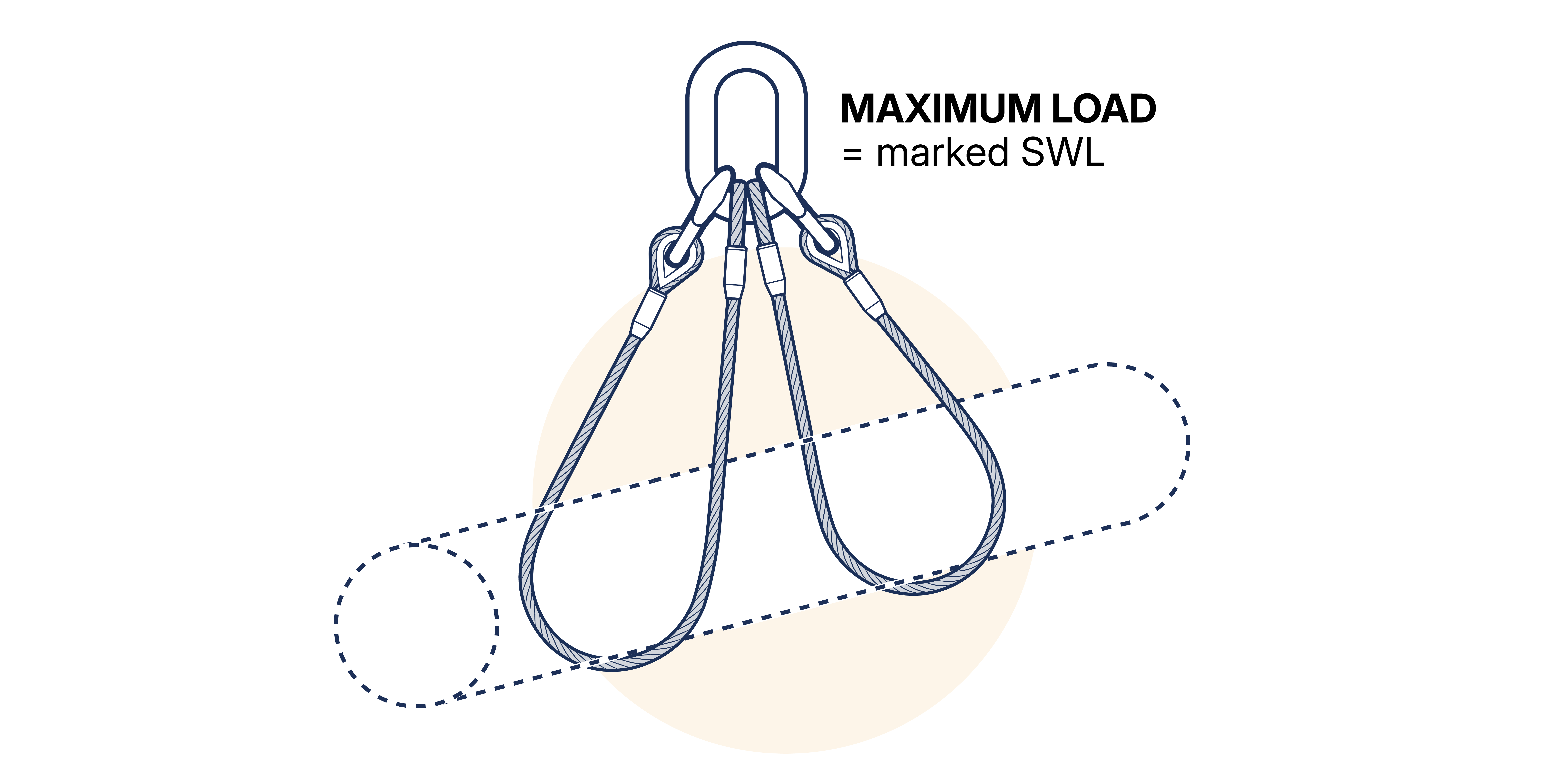
Figure 15.5.2.6-1 Two leg sling in basket hitch
When two single leg slings, of the same length and SWL, are used in basket hitch with the ends of the slings connected to the hook by suitable shackles, the maximum load to be lifted must not exceed 2.1 x the SWL marked on a single sling when the legs are inclined at angles between 0-45° to the vertical (included angle between any two parts of rope is in the range 0-90°). No attempt should be made to use two single slings at an included angle greater than 90°. (See Figure 15.5.2.6-2 )
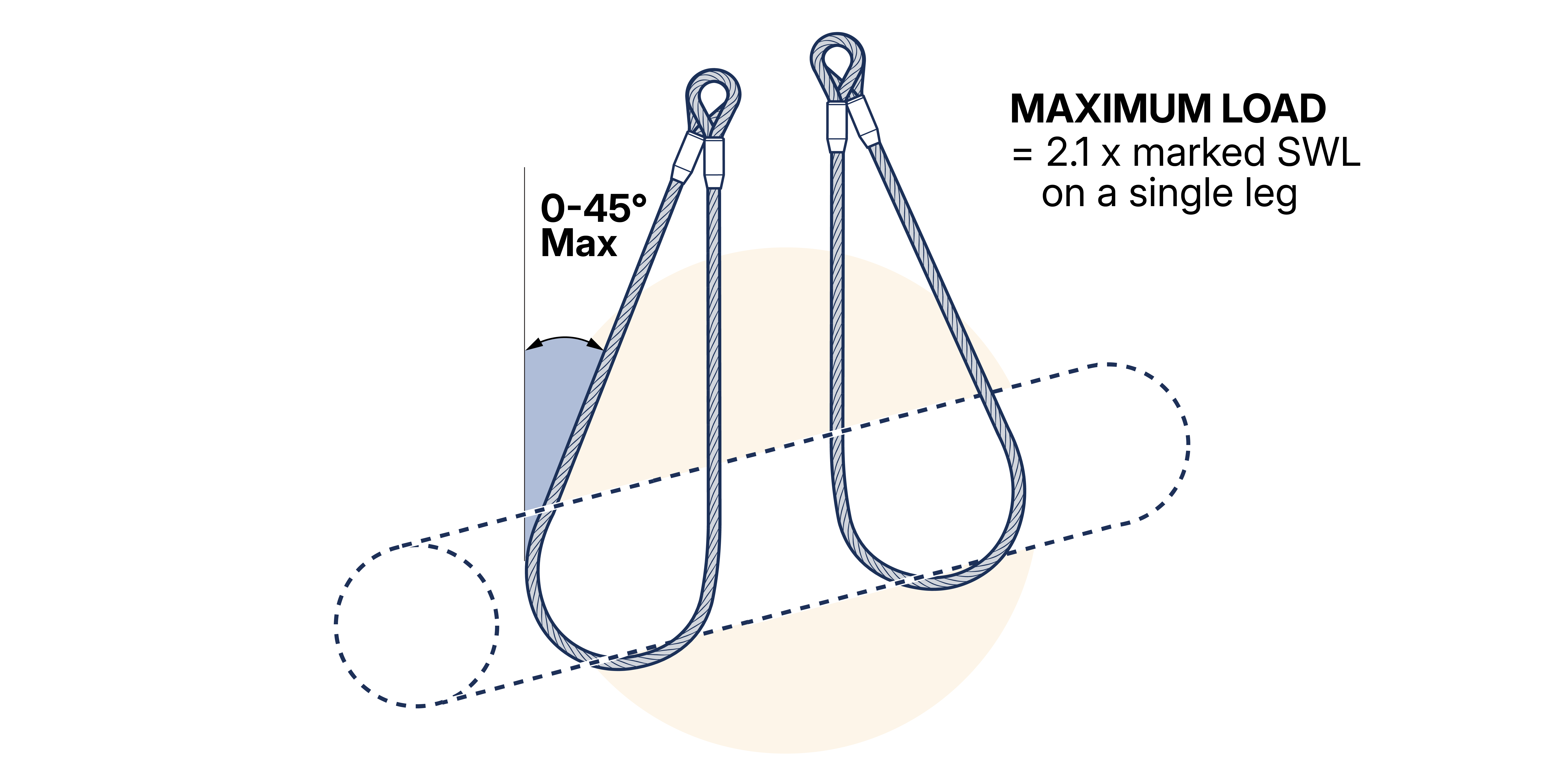
Figure 15.5.2.6-2 Two single leg slings in basket hitch
15.5.2.7 Three leg sling in straight lift
When a three leg sling is used for a straight lift, the maximum load to be lifted must not exceed the SWL marked on the sling for the appropriate range of angles. Where this is given as the included angle it should be taken as twice the angle between the sling leg and the vertical. (See Figure 15.5.2.7-1 ) It is assumed that viewed in plan the legs are at 120° to each other. If two of the legs are closer than that, the third leg will receive a greater share of the load.
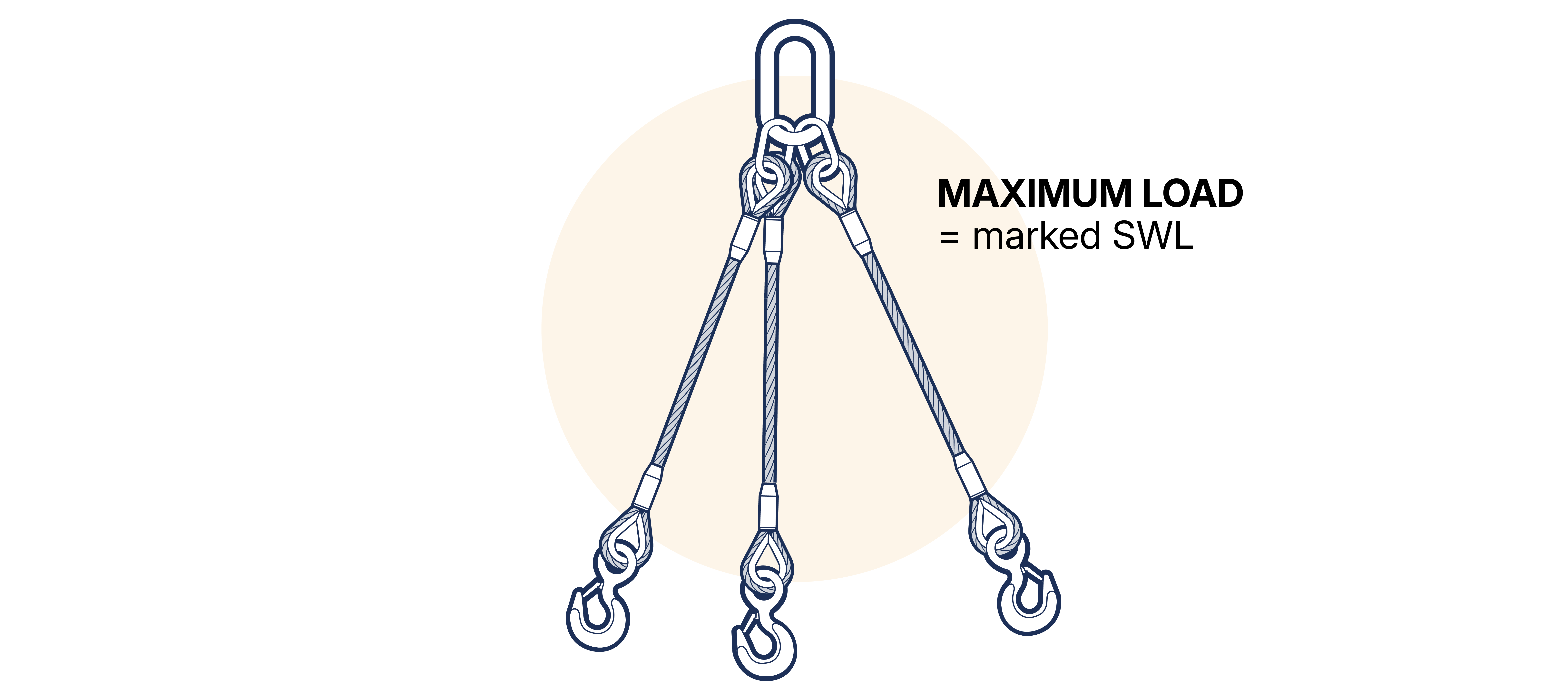
Figure 15.5.2.7-1 Three leg sling in straight lift
15.5.2.8 Three leg sling in choke hitch or basket hitch
The use of three leg slings in either choke or basket hitch is uncommon and if used in these modes, care must be taken to ensure that all legs are carrying an equal share of the load. When used in choke hitch, the maximum load to be lifted must not exceed 0.8 times the SWL marked on the sling for the appropriate range of angles. When used in basket hitch, the maximum load to be lifted must not exceed the SWL marked on the sling for the appropriate range of angles. The included angle should be taken as twice the angle to the vertical of any part of any leg.
15.5.2.9 Four leg slings in straight lift
When a four leg sling is used for a straight lift, the maximum load to be lifted must not exceed the SWL marked on the sling for the appropriate range of angles. The ‘included angle’ should be measured between diagonally opposite legs. (See Figure 15.5.2.9-1 ) It is assumed that viewed in plan the legs are symmetrically disposed, the lower attachment points making the corners of a rectangle. Ideally, the nearer the rectangle is to a square the better, but if the proportions of the sides exceed 2 to 1 the sling should be de-rated to the capacity of a two leg sling.
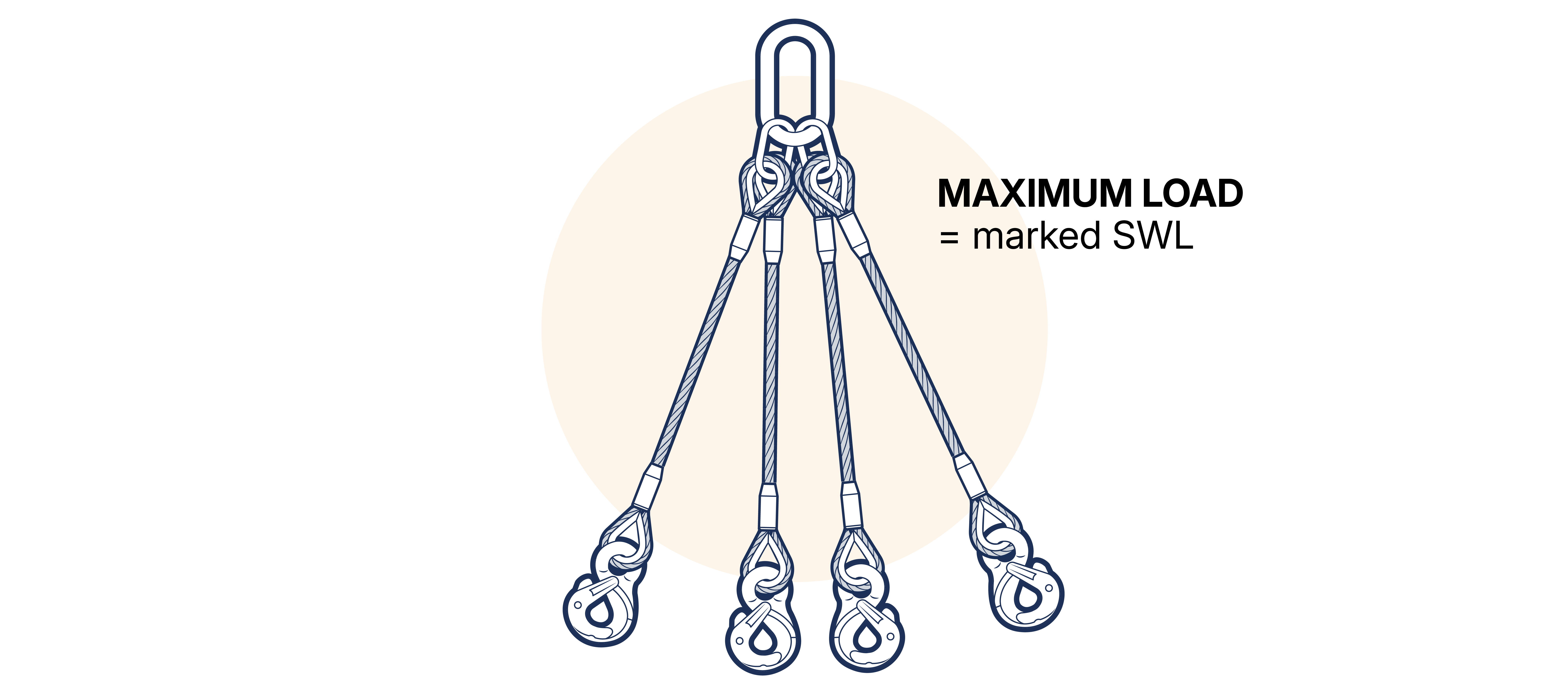
Figure 15.5.2.9-1 Four leg sling in straight lift
15.5.2.10 Four leg sling in choke hitch or basket hitch
The use of four leg slings in either choke or basket hitch is uncommon and if used in these modes, care must be taken to ensure that all legs are carrying an equal share of the load. Subject to this consideration, the load to be lifted in basket hitch must not exceed the SWL marked on the sling for the appropriate range of angles. When a four leg sling is used in choke hitch, the maximum load to be lifted must not exceed 0.8 x the SWL marked on the sling for the appropriate range of angles. The ‘included angle’ should be taken as twice the angle to the vertical of any part of any leg.
15.5.2.11 Endless sling
Endless wire rope slings are uncommon nowadays, but not unheard of. They should be used in choke hitch as shown below and they are rated on the assumption that this will be the case. The use of endless slings in other modes, e.g. in line lifting, is not preferred. Care must be taken to position any splice or ferrule connections in the standing section of rope away from the load, the hook and the choke. The maximum load to be lifted must not exceed the SWL marking on the sling. (See Figure 15.5.2.11-1 )
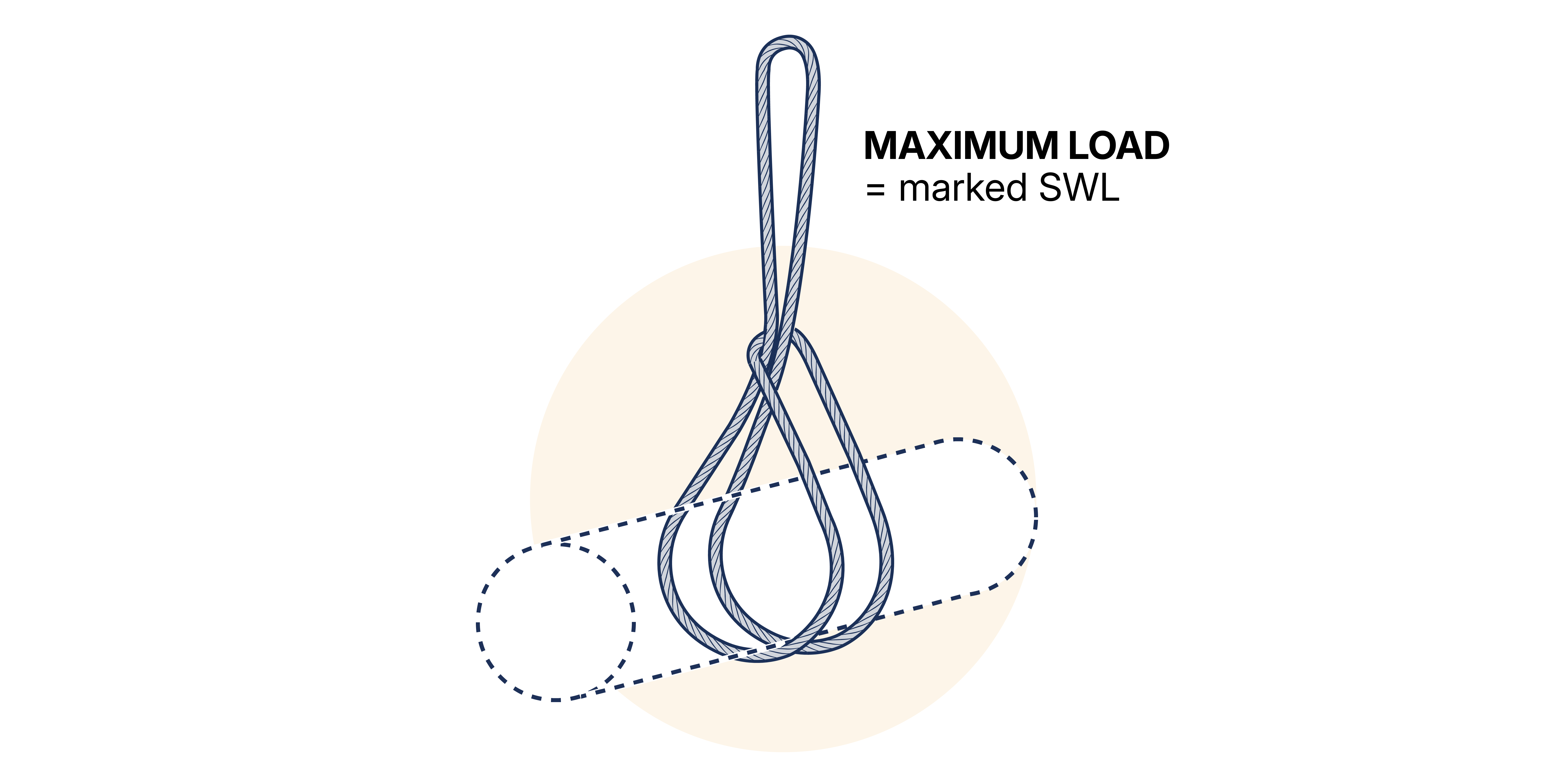
Figure 15.5.2.11-1 Endless sling
15.5.2.12 Adjustment
Unlike chain slings, wire rope slings do not lend themselves to adjustment of the length of the legs and no attempts should be made to shorten the length by knotting or by any other means.
15.5.2.13 The use of multi-leg slings with less than the total number of legs in use
Occasionally, it may be necessary to use a multi-leg sling with less than the total number of legs in use. With care, this can be done safely.
Whilst the reduced SWL applicable to a sling used in this way may be precisely calculated, the adoption of the following simple rules will ensure that the sling is never overloaded. The marked SWL should be multiplied by the appropriate factor as shown in the following table.
Total number of legs in sling | Number of legs in use | ||
|---|---|---|---|
1 | 2 | 3 | |
2 | ½ | 1 | - |
3 | ⅓ | ⅔ | 1 |
4 | ¼ | ½ | ¾ |
The adoption of the above method means that in some cases the sling will be under utilised, although this is unlikely to hinder the user unduly. If the maximum utilisation is required, reference should be made to a Competent Person who understands the factors involved and who can perform the necessary calculations.