2.4.2 Types of Electric Bridge and Gantry Cranes Controls
2.4.2.1 Cab Control
The crane operator controls the crane from a cab mounted on the crane. This cab is usually fixed at one end of the crane bridge and moves with the bridge. Before modern control systems were developed, most electric bridge and gantry cranes were controlled from the cab. There are still situations where cab control is the best option, especially when the crane is in continuous use or when the operation involves extensive long travel movements. The disadvantage of cab control is the need for the operator to be continuously on duty when use is infrequent.
Another arrangement is where the cab is fixed to the crab and therefore moves with the crab. This has the advantage of giving the operator a view of the load which might otherwise be obscured. A third variation is a cab without controls from which the operator can control the crane using a pendant control or a remote control. This gives the option of cab control when appropriate, such as during a period when the crane is in frequent use yet retains the flexibility of control from other levels.
2.4.2.2 Pendant Control
The crane operator controls the crane from a low level, usually ground level, using a push button box suspended from the crane. The push button box is usually suspended from a track running across the crane bridge and connected by a festoon cable enabling it to be moved to any position. This has the advantage of enabling the operator to choose the best vantage point and also to negotiate any obstacles whilst using the long travel motion.
Less popular arrangements are for the push button box to be suspended from a fixed point on the crane bridgeor from the crab or hoist unit.
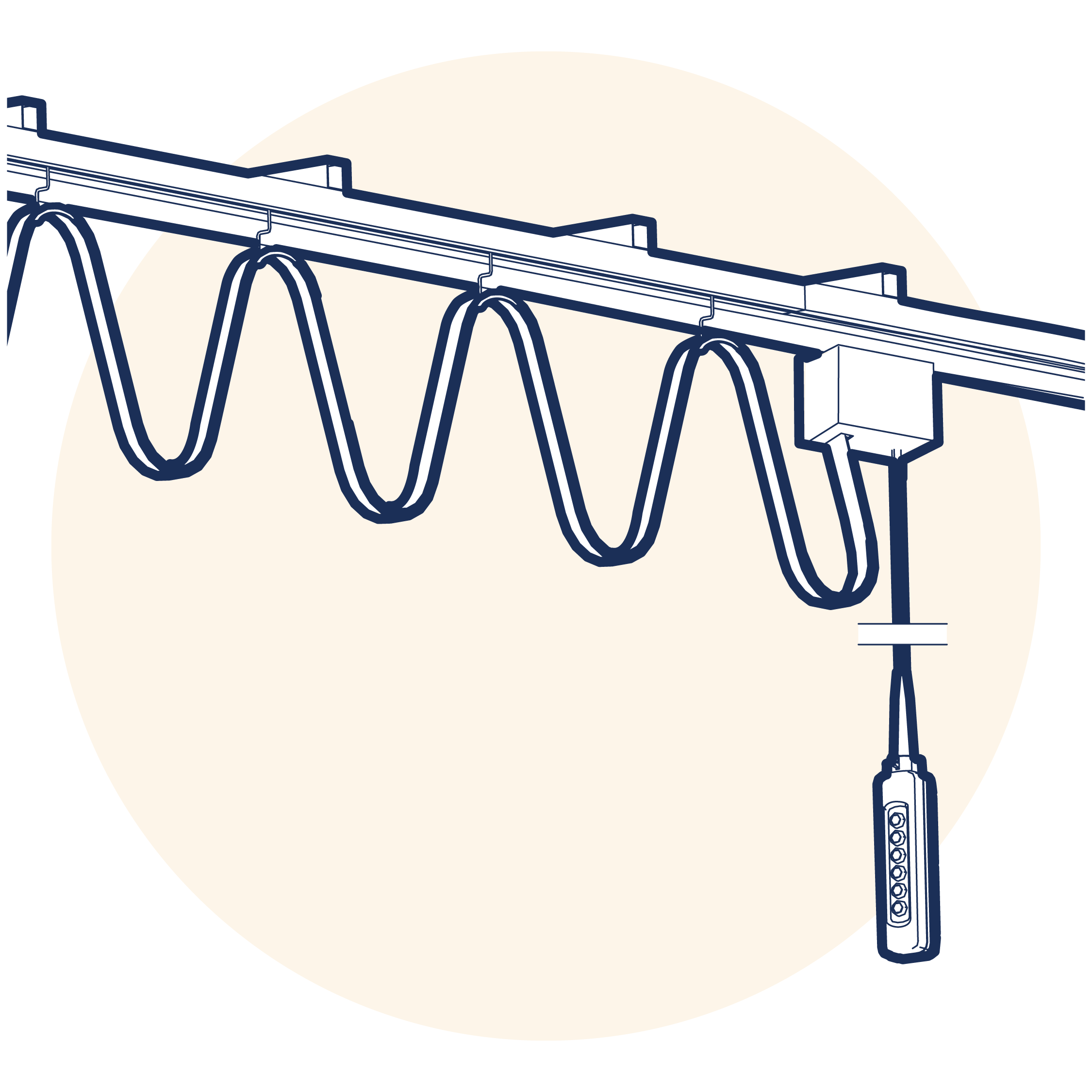
Figure 2.4.2.2-1 Pendant push button box and festoon cable connection
2.4.2.3 Remote Control (Cable-less Controller)
The crane operator controls the crane from a remote operator station without a cable connection to the crane. This has the advantage of enabling the operator to choose the best vantage point with virtually no limitations. Early forms of remote control were of the infra red type similar to the controls used for domestic equipment such as televisions. A significant drawback was the need for a clear line of sight between the controller and the receiver mounted on the crane. These have largely been replaced by radio controls which do not require line of sight.
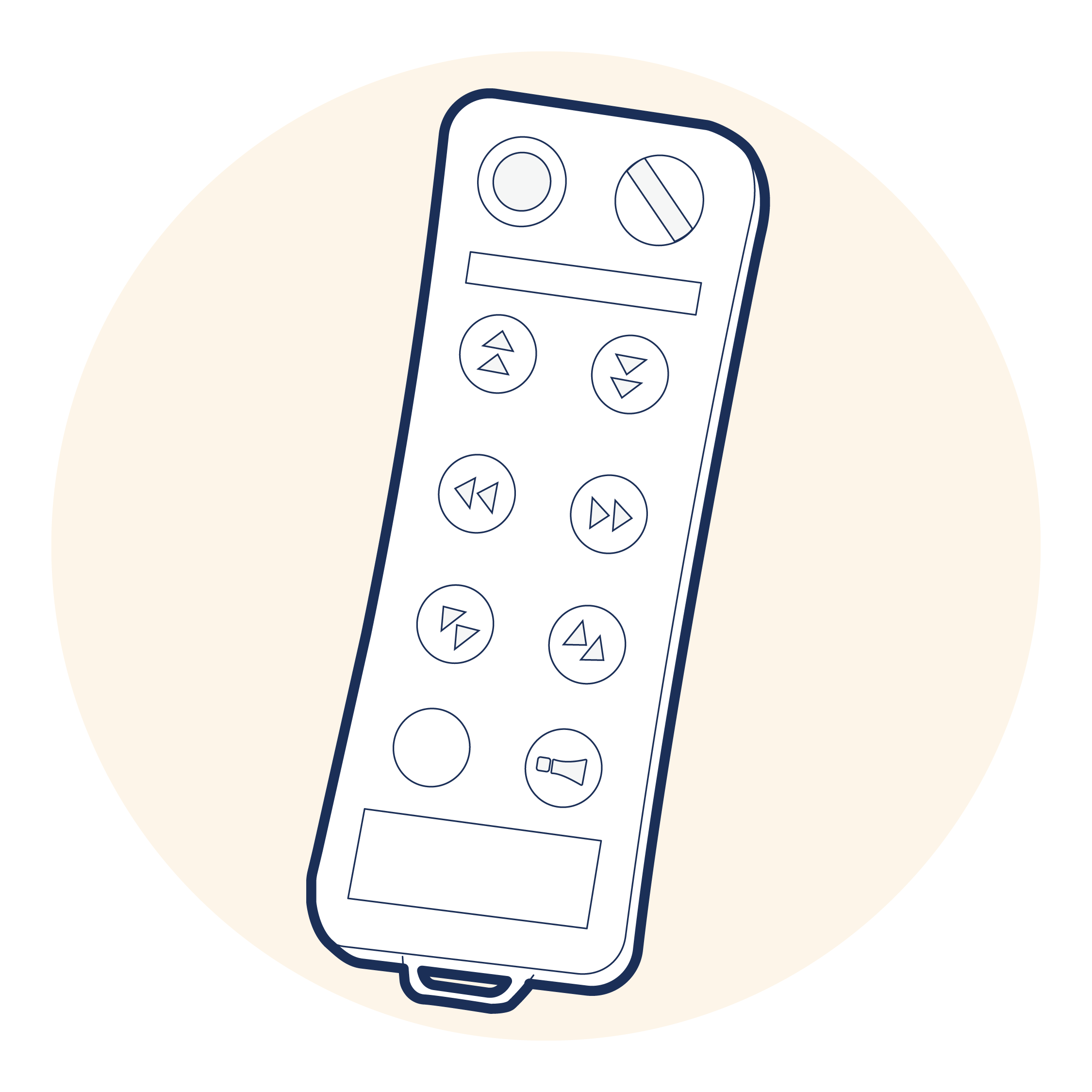
Figure 2.4.2.3-1 Remote control operator station