13.4.3 Mechanical Jacks
Mechanical jacks use ratchet, screw or gear mechanisms as the lifting medium. Reversal of the mechanism is used to lower the jack.
Mechanical jacks are usually manufactured from cast ferrous materials although some models are available manufactured from aluminium.
13.4.3.1 Ratchet jacks
Currently the most popular type of mechanical jack is the ratchet jack. The body of the jack contains a pair of pawls which engage in a rack. Operation of the jack causes the pawls to raise or lower the rack, which is fitted with a lifting head and toe, providing alternative positions for supporting the load. Ratchet jacks are available in a range of capacities up to 20 tonnes and, in most cases, the full rated load may be supported on the head or toe. The movement of the rack (lift) varies between 175mm and 450mm. The profile of the base is rectangular, extending beyond the toe so as to give stability to the jack when the toe is in use.
During the jacking operation the operative effectively carries the load via the operating lever. At the end of each stroke the load is sustained by a pawl. Due to the high effort required some models are designed for more than one operative. Further, for the same reason, it is not always possible to raise the full rated load, but it is possible to lower the rated load. This type of ratchet jack is therefore commonly referred to as a lowering jack. To enable the rack to be positioned quickly a rack release mechanism is incorporated, which holds the operating pawls away from the rack, so arranged as to prevent its free fall under load.
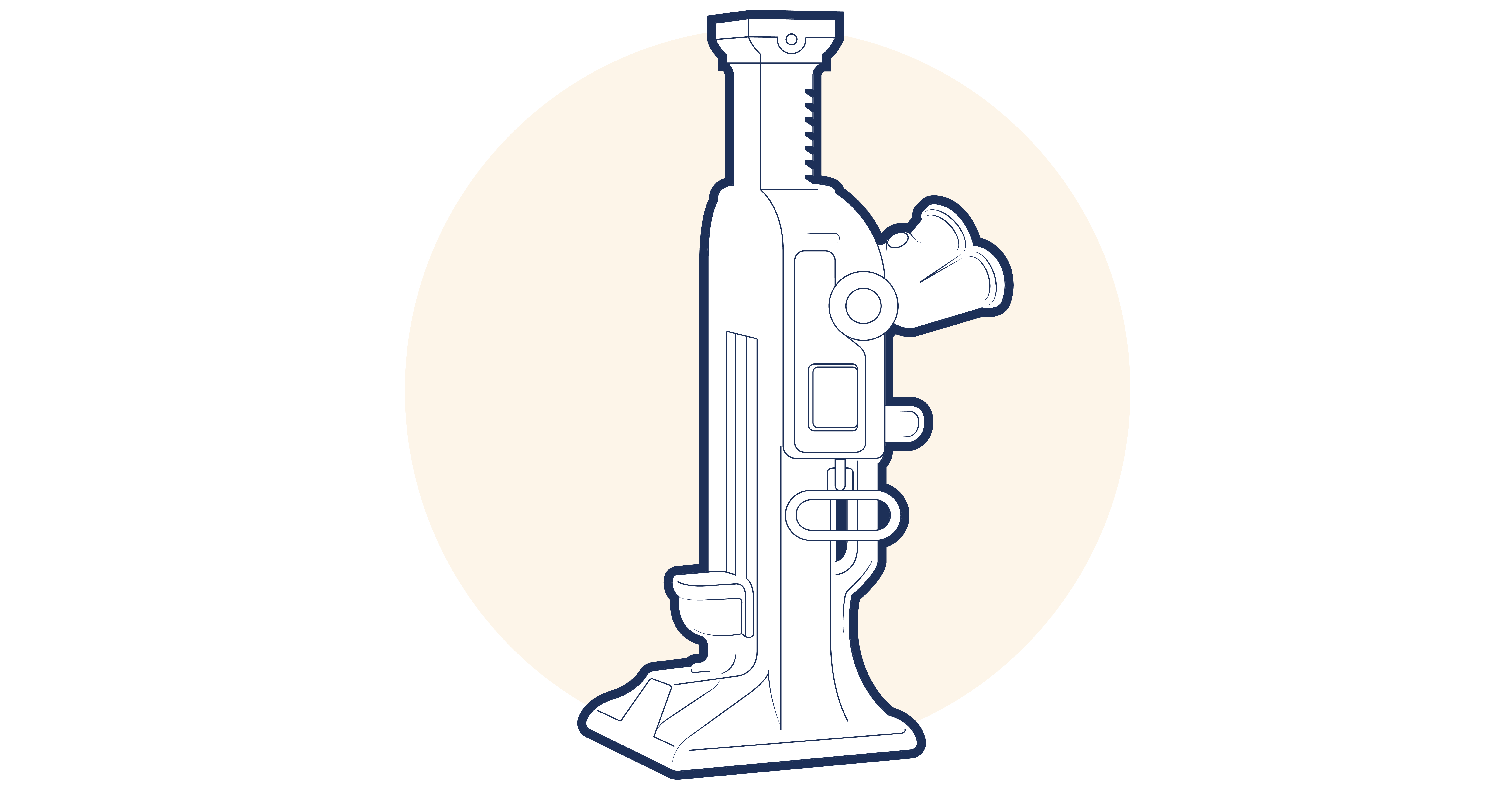
Figure 13.4.3.1-1 Ratchet lowering jack
13.4.3.2 Screw jacks
The screw jack is perhaps the oldest form of jacking device known. The base consists of a single hollow casting with a square form female thread into which fits a male screwed shank. A swivel head is fitted to the shank to support the load. Directly turning the screwed shank causes it to raise or lower. Screw jacks are available in a range of capacities up to 24 tonne, with screw movements (lifts) from 50mm to 320mm. The profile of the base is usually circular.
Although operation is normally by tommy-bar directly through the screwed shank some models are available with ratchet lever or gear operated screws.
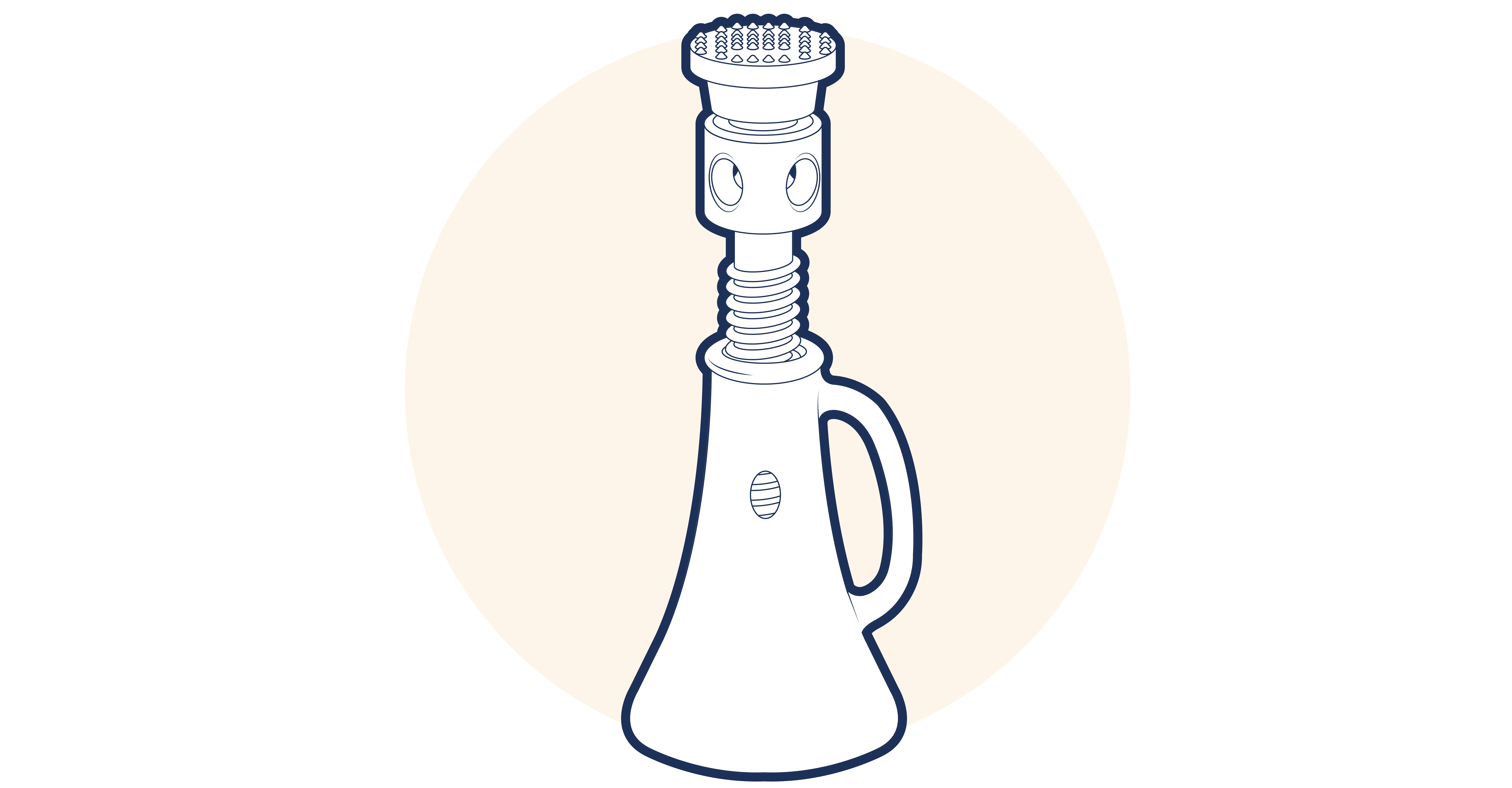
Figure 13.4.3.2-1 Screw jack
13.4.3.3 Journal jacks
The journal jack consists of a cast body which houses a bevel gear and screw mechanism. Operation of a ratchet lever turns the gears which drive a screwed shank. This in turn drives a running nut which is captive in the lifting journal and therefore causes the journal to raise or lower. Journal jacks are generally available in a range of sizes up to 50 tonnes capacity with a journal runout (lift) of 100mm to 150mm. The profile of the base is usually circular.
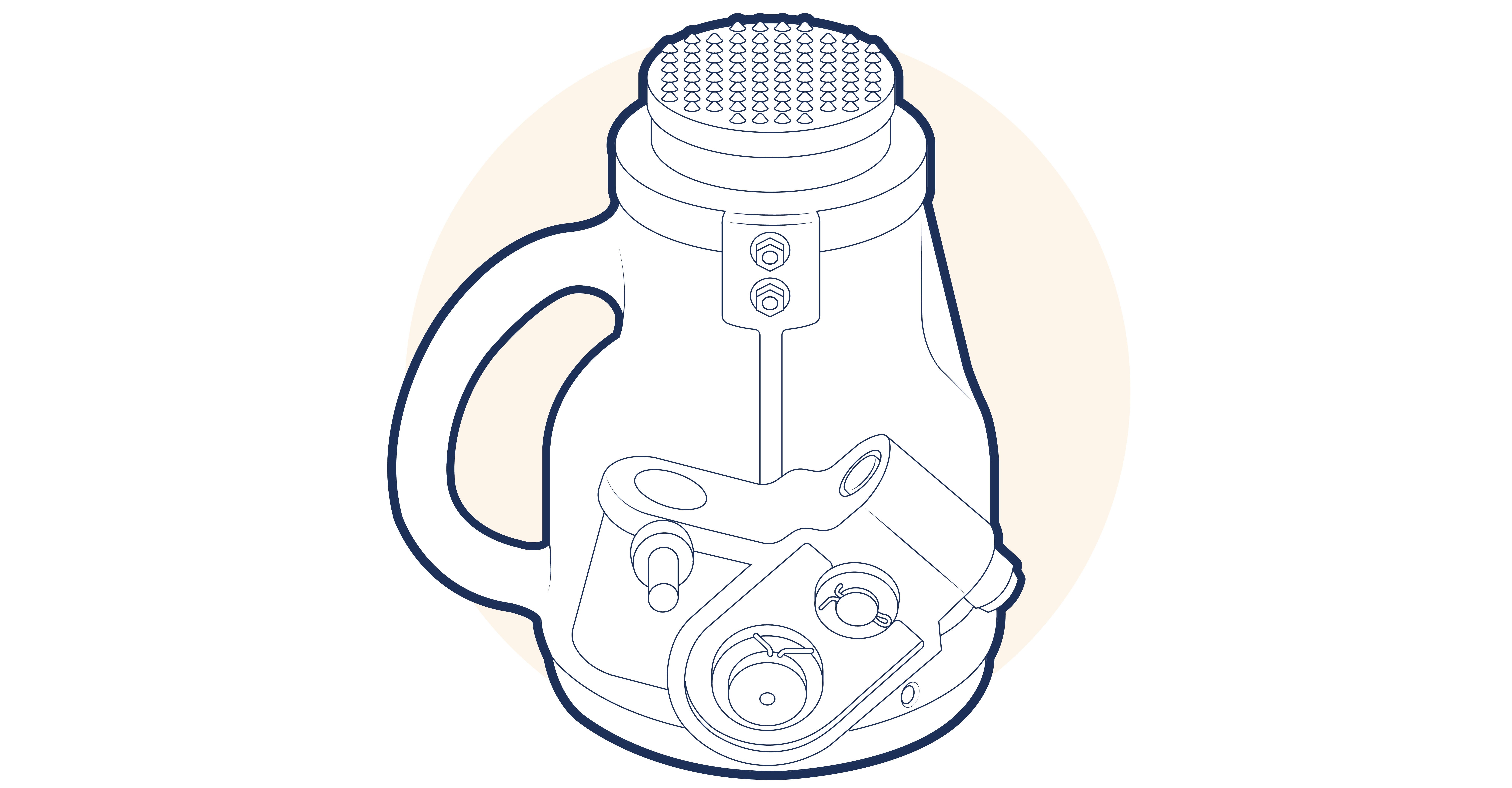
Figure 13.4.3.3-1 Journal jack