13.4.2 Aluminium Constructions
Jacks constructed of aluminium tend to be of robust design and are used for high capacity, heavy duty jacking operations. They are generally available in a range of capacities up to 150 tonnes, although other capacities may be available. Lifting rams used in this construction of jack are normally single stage giving a range of runouts (lifts) of 152mm, 305mm or 457mm. The profile of the base is usually rectangular and the body casting incorporates a carrying handle. Operation of the jack is commonly from the back of the unit and the front face of the body is flat to allow the use of a claw attachment.
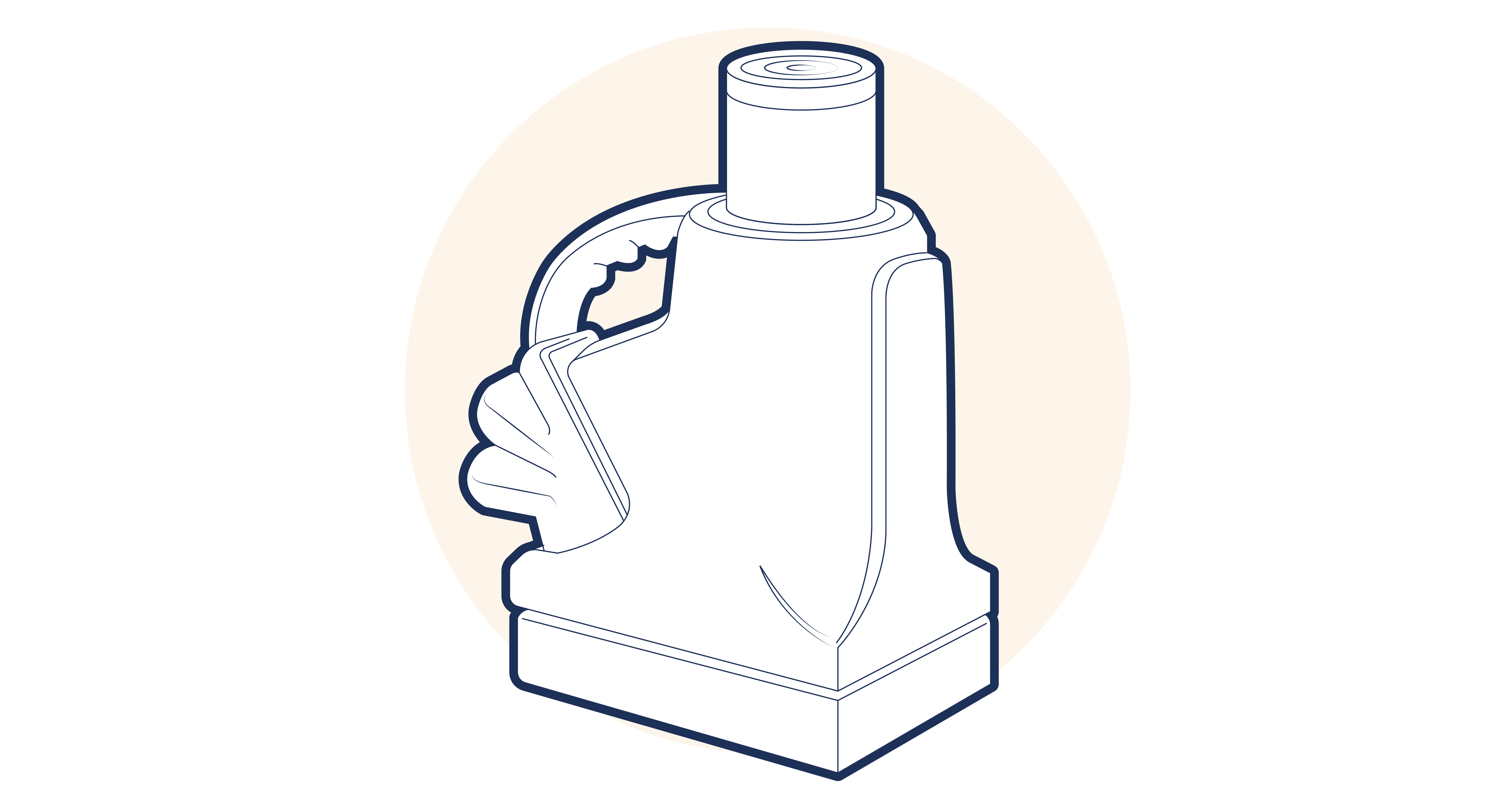
Figure 13.4.2-1 Aluminium Jack
The use of a claw attachment provides the means of supporting the load on the head of the jack or on a toe. It should however be noted that the maximum load permitted on the toe of the claw attachment is considerably less than on the head, usually only 40% of the head load. Further it should also be noted that only jacks with extended bases can be used in conjunction with claw attachments as these prevent the jack from overturning.
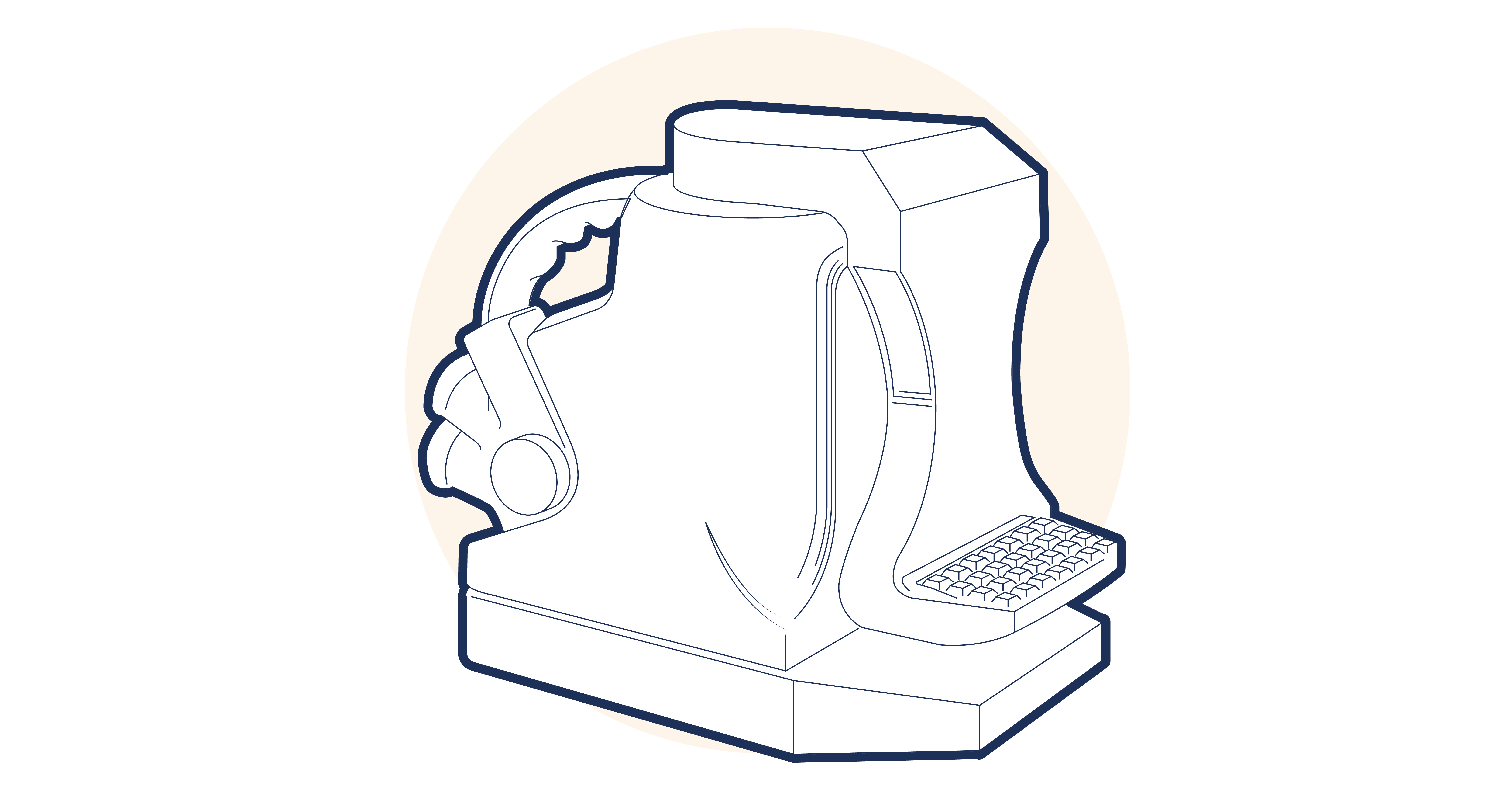
Figure 13.4.2-2 Jack with claw attachment
Some models are available with a screwed locking collar. In this case the lifting ram has a robust male thread along its length and a screwed collar is fitted to this. This enables a raised ram to be locked in position against the base of the jack. Should there then be any loss of pressure within the hydraulic system, the load will be supported by the collar against the base, preventing the ram from creeping down.
13.4.2.1 Tubular steel construction
Jacks constructed from steel tube or tubular form steel pressings tend to be of basic design and are used for low to medium capacity, light to medium duty jacking operations. Within this type of design falls the increasingly popular continental style of jack, generally available in a range of capacities up to 20 tonnes, although larger capacities may be available. Lifting rams used in this construction of jack are normally single stage giving a range of runouts (lifts) varying between 85mm and 160mm. The profile of the base is usually square and there is no special provision made for carrying the jack. Operation of the jack may be from the side or back of the unit.
Some models are available with telescopic lifting rams allowing for greater runouts from low profiled bodies. It must be remembered however that the reservoir, and therefore the jack body, must be large enough to accommodate sufficient oil to fully extend the lifting ram. This results in the outer diameter of the body being larger than for single stage rams.
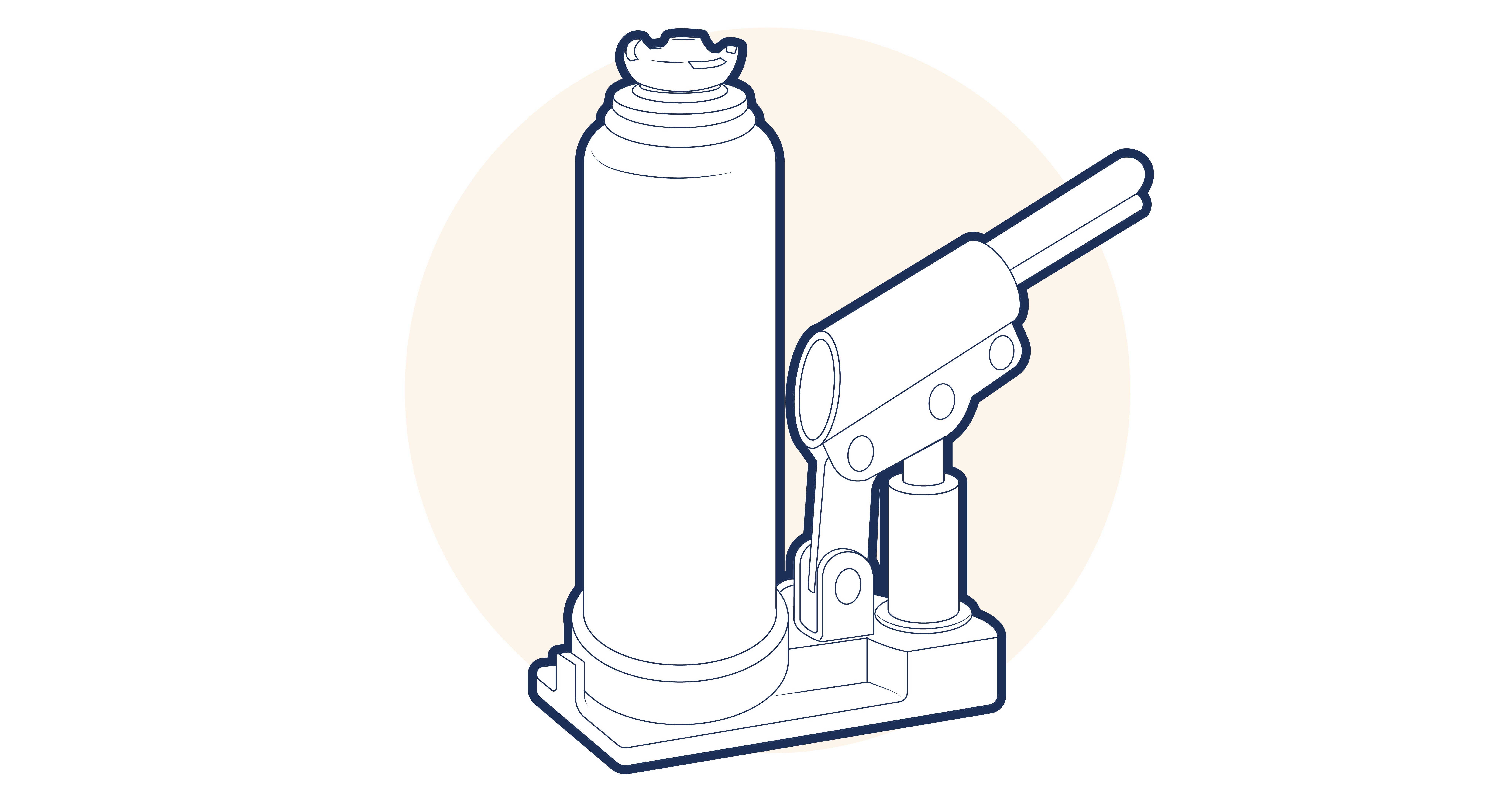
Figure 13.4.2.1-1 Tubular steel jack
13.4.2.2 Cast iron construction
Jacks constructed from cast iron tend to be sturdy in design and are used for medium capacity, general duty jacking operations. The popularity of this design has declined in favour of the continental style of jack in recent years as the self-weight of the cast iron unit is greater than that of the tubular steel jack. They are generally available in a range of capacities up to 12 tonnes. Lifting rams used in this construction of jack may be single stage or telescopic with runouts (lifts) varying between 150mm and 200mm. The profile of the base is usually circular, and the design incorporates a carrying handle. Operation of the jack is usually from the side of the unit.
Some models are available with an adjustable height head. This is achieved by using a tubular lifting ram with a female thread form, the head of the jack being mounted on a male threaded shank which is screwed into the ram. This allows the height of the head to be raised by up to 130mm prior to commencing the jacking operation but cannot itself be used to raise the load.
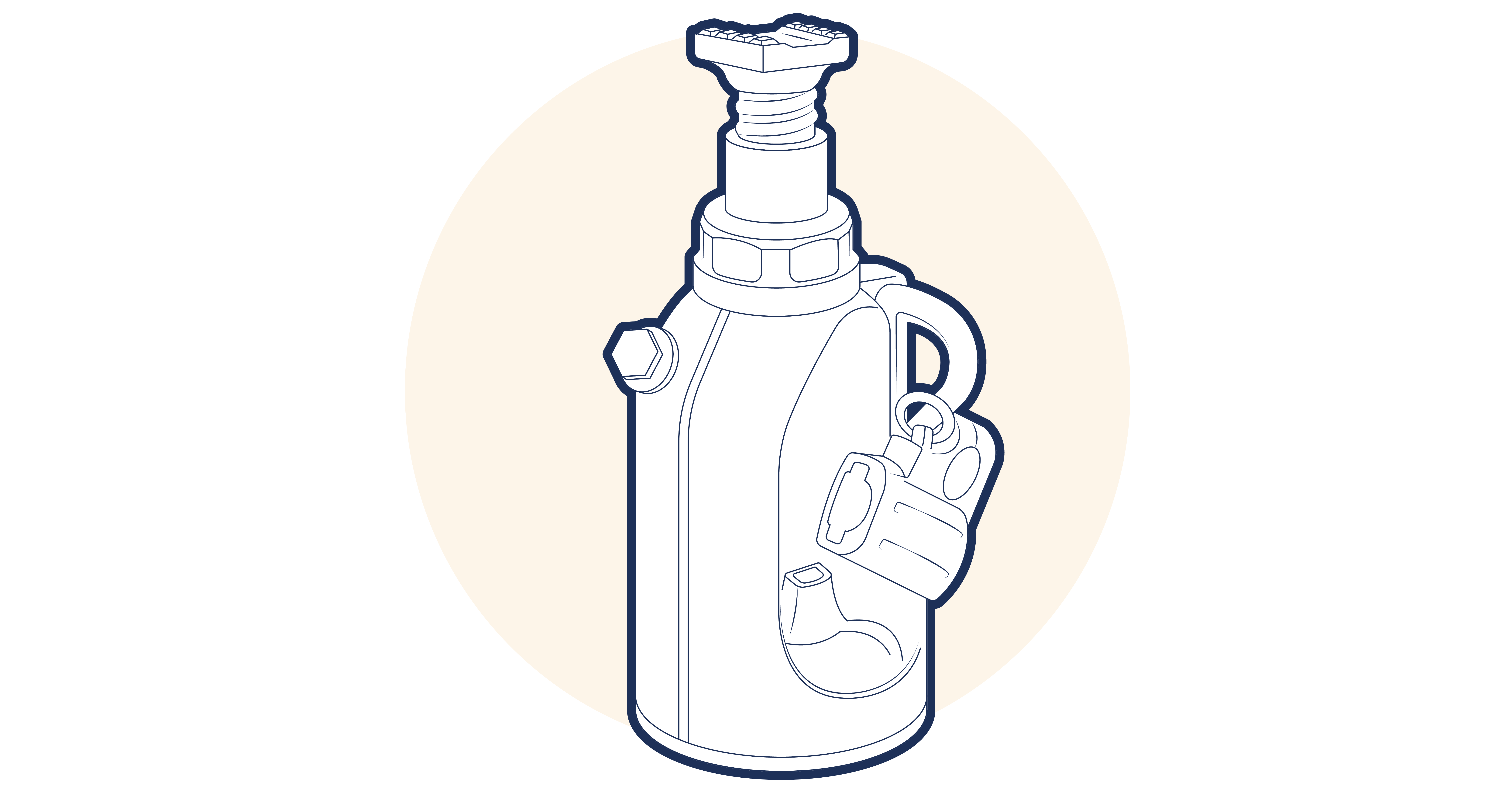
Figure 13.4.2.2-1 Cast iron with adjustable head
13.4.2.3 Other designs of hydraulic jacks
As already stated, the range of design, size and capacity of hydraulic jacks is extremely extensive, and it is not possible in a document of this nature to detail all of the available types of jack. Over the years, each manufacturer has tended to specialise, developing their own particular design range and it is often necessary to consult several manufacturers to ascertain the availability of suitable jacks for specific duties. Three of the more common types of specialist hydraulic jack which are generally available are:
Low profile jacks. These offer low closed heights with very restricted ram runouts (lifts). They are available in a wide range of capacities. This type of jack is used for such duties as bridge jacking to allow bearing replacement. (See Figure 13.4.2.3-1 )
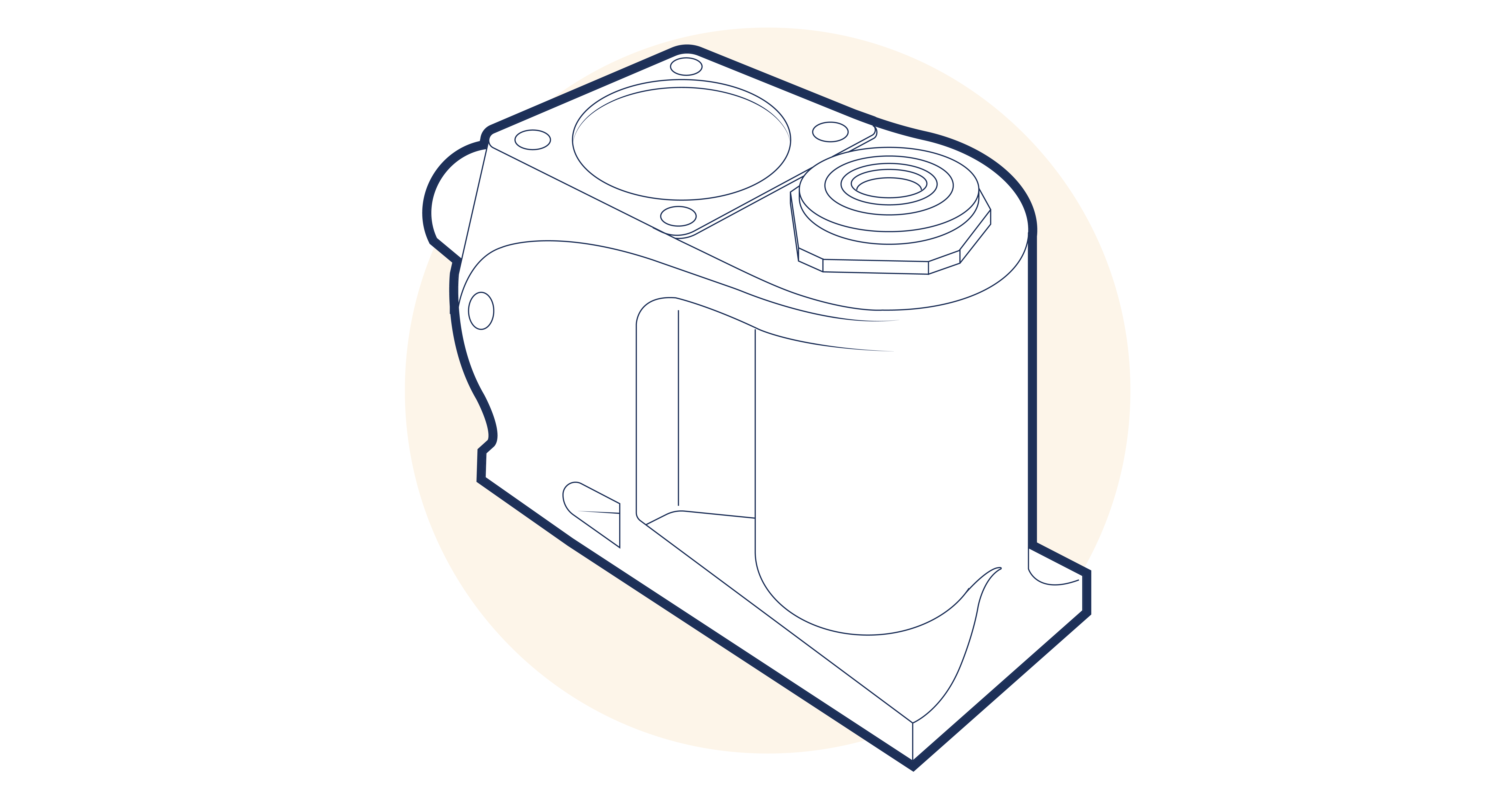
Figure 13.4.2.3-1 Low profile jack
Ship jacks. A variation of the low profile jack, but very much larger, is known as the ship jack. These offer high capacities of 1000 tonnes or more. They were, as the name suggests, originally developed for the shipbuilding industry.
Claw jacks. These have toes built into the rams and offer the same capacity on the head or toe, usually limited to 5 tonnes. Although originally developed for the mining industry and produced in all ferrous metal, they are extensively used for general purposes. (See Figure 13.4.2.3-2 )
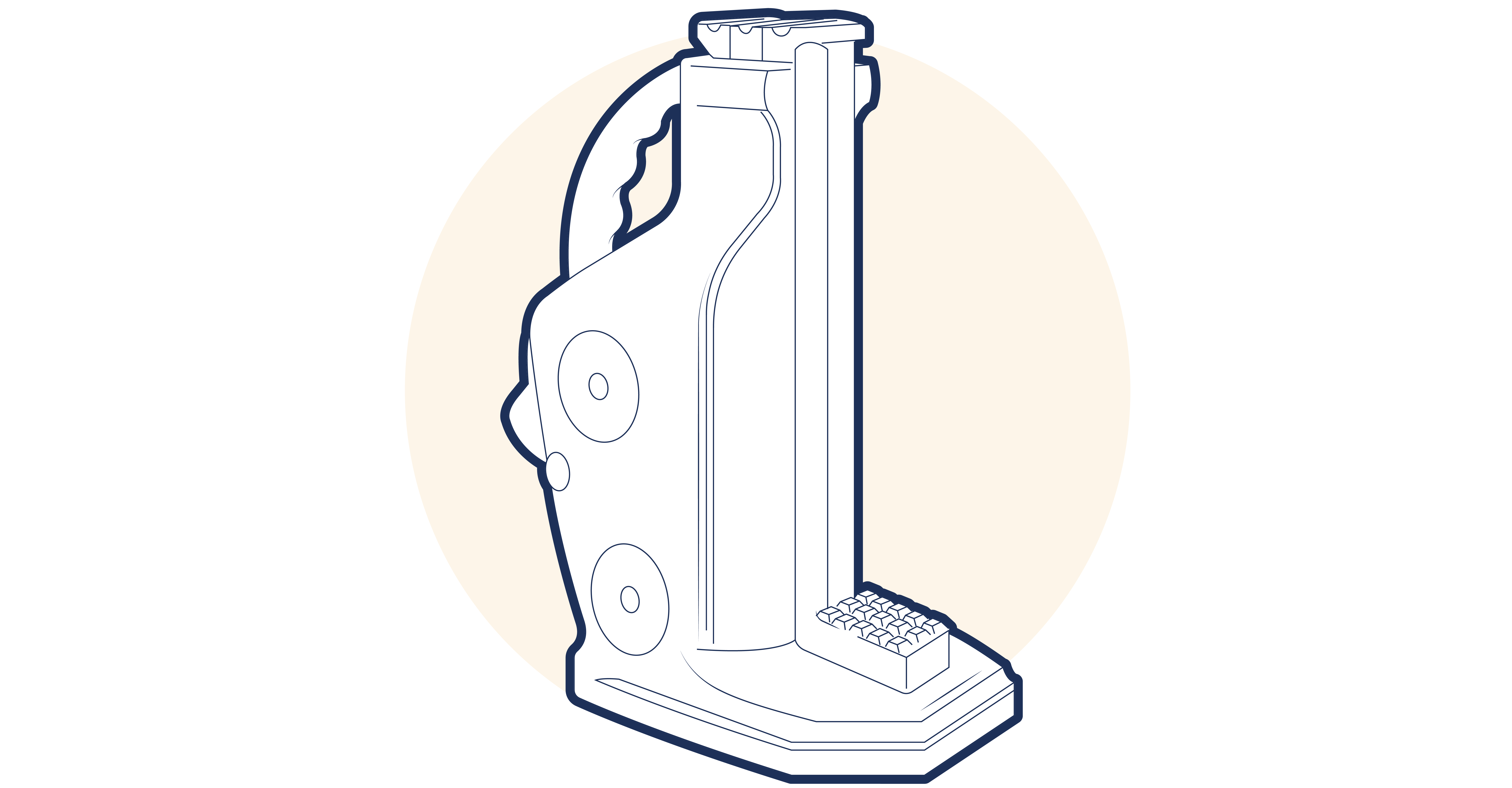
Figure 13.4.2.3-2 Claw jack